


What belongs on a civil project inquiry checklist?
Send enough information for a contractor to price risk honestly: current drawings, known services, access limits, programme windows, and who decides scope questions. Vague emails produce protective allowances or unserious rates.
A strong inquiry is not a formal tender pack. It is a clear brief that lets estimating and site leadership ask precise questions once—then return a quote you can compare.
NEXTGEN routes complete briefs through the contact pathway into the right civil, energy, or roads team faster when attachments and constraints are already listed.
Drawings and survey: the files estimators open first
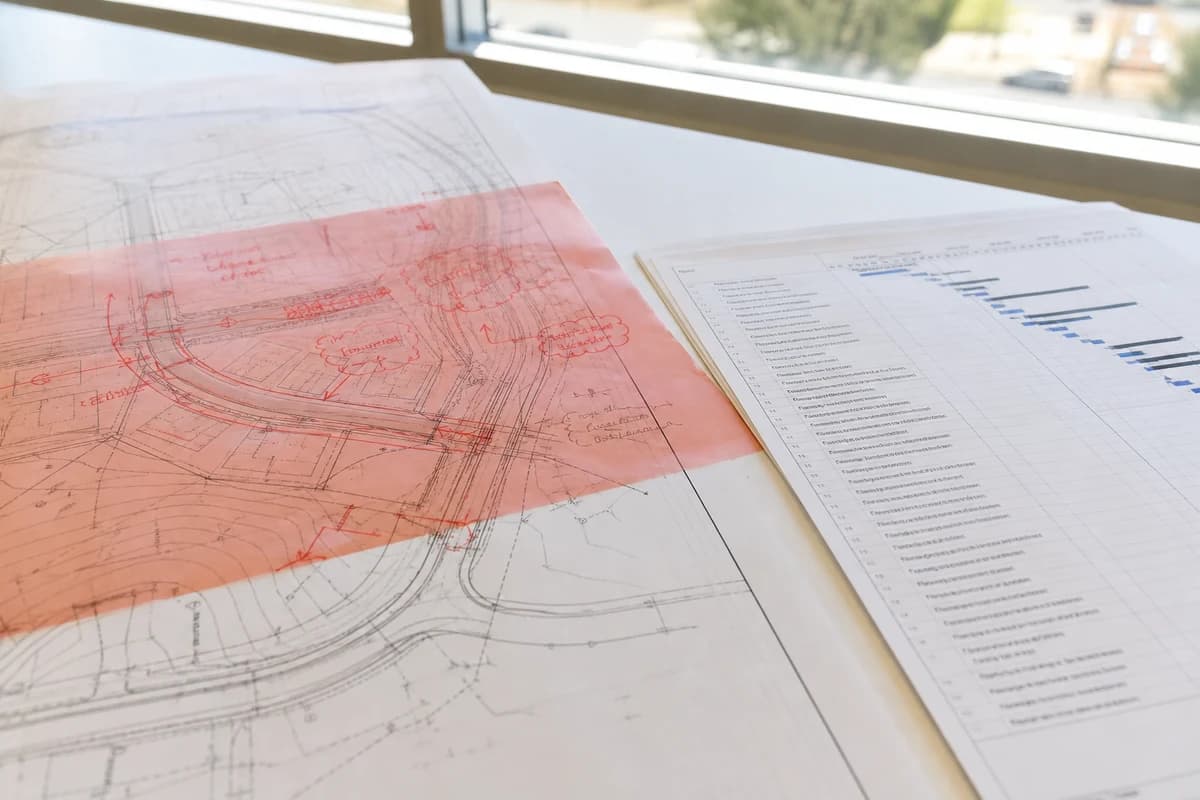
Attach the latest site plan, earthworks or grading levels if available, drainage layouts, and any pavement details. Note the revision date and whether documents are for pricing only or issued for construction.
If levels or utility locations are incomplete, say so. Silence on unknowns is worse than a clear “TBC” list—contractors will invent assumptions you never intended.
For package anatomy after inquiry, earthworks scope language in earthworks contractor NSW: bulk, detailed and site preparation helps you label what the drawings still miss.
Programme, access, and operating constraints to spell out
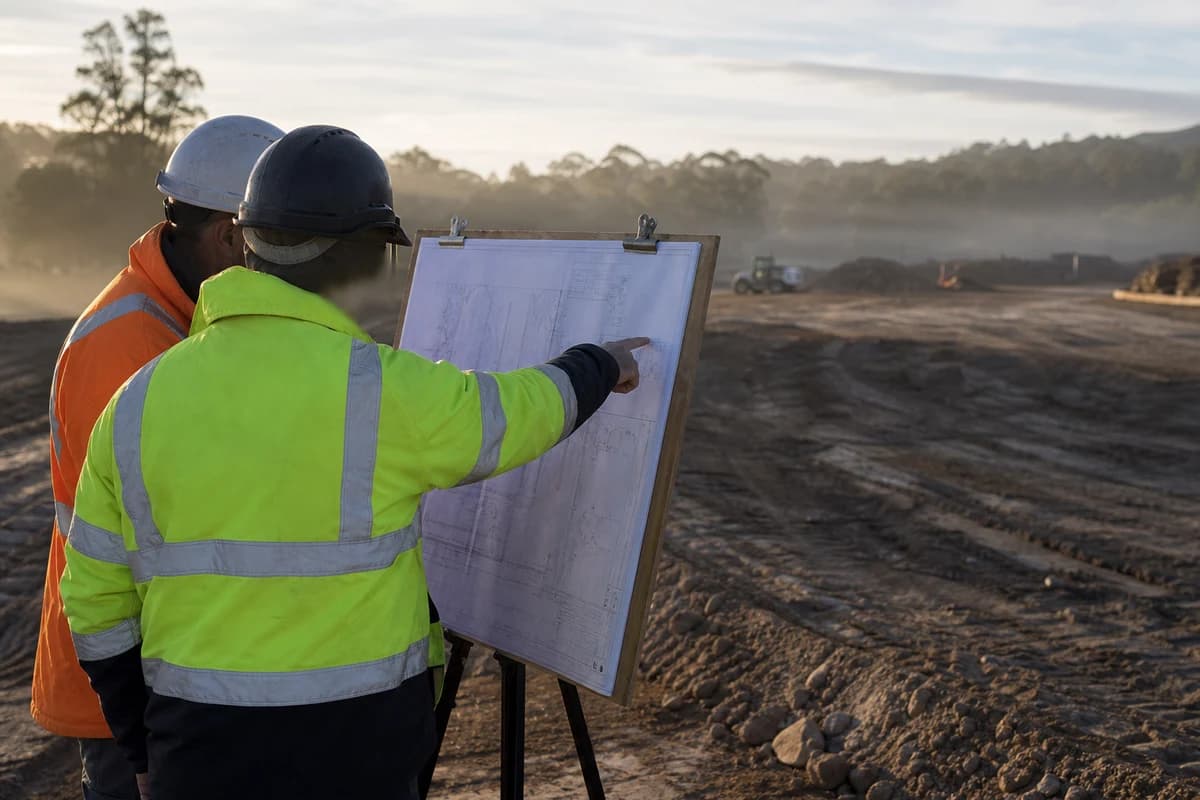
State target start, critical finish dates, working-hour limits, and any live-operations rules (warehouses, public road peaks, or neighbour access). These drivers change plant and staging cost more than many owners expect.
Name truck routes, marshalling areas, and whether temporary access must stay open for other trades. Project delivery controls later depend on the same access story you send at inquiry.
Civil contractor checklist items that belong in the email body
Use a short civil contractor checklist inside the inquiry—not only as a tender scorecard later. Bullet inclusions you want priced, exclusions you will handle separately, and hold-point expectations for earthworks, drainage, or pavement.
List preferred insurance or WHS evidence only if you truly require it at quote stage. Overloading an early inquiry with full civil tender requirements can slow responses without improving price quality.
When you move from inquiry to appointment scoring, how to choose a civil contractor in NSW covers scope, safety, and delivery proof in more depth.
Civil tender requirements vs a first quote request
Keep first-quote civil tender requirements light: method outline, programme response, clarifications, and key assumptions. Save full ITP templates and multi-volume conditions for shortlisted formal tenders when the design is stable.
Ask contractors to list provisional items and excluded risks explicitly. Transparent assumptions beat a single lump sum that hides weather, utilities, or traffic control.
When you move from a quote request to formal tender scoring, use civil tender evaluation guidance for NSW clients so every return is compared against the same assumptions and delivery controls.
Civil procurement NSW contacts and decision rights
Name the commercial and technical contacts for clarifications, and who can approve drawing revisions. Civil procurement NSW processes stall when estimators wait days for answers on simple interface questions.
State how you want the quote formatted—separable packages, lump sum, or schedule of rates—so responses stay comparable across firms.
Assurance and engagement themes that vendors will ask about are summarised in NEXTGEN’s delivery FAQ and about NEXTGEN pages—add your project-specific answers in the inquiry instead of leaving them implicit.

Ready-to-send inquiry pack and NEXTGEN pathway
Before you hit send, confirm the civil project inquiry checklist covers: drawings with dates, unknowns list, programme and access notes, priced inclusions/exclusions, and decision contacts.
Attach that pack when you contact NEXTGEN and, if helpful, browse the project showcase or division pages for civil infrastructure so your brief names the right package shape from the start.