


Solar farm earthworks and array-field grading
Bulk and detailed earthworks, array-field grading, and formation proof sized for pile rows, plant corridors, and later drainage—without inventing MW or spoil quantities on the page.
NEXTGEN’s Renewable Energy unit delivers the civil works that must land before electrical and network trades: solar farm earthworks and array grading, BESS hardstands, access tracks, cable trenches, inverter and substation pads, and grid-interface packages—staged to EPC programmes across NSW. Blind Creek Solar Farm is published as a current named mobilisation (client confidential).
This division owns renewable civil packages that must land before electrical and network trades start: solar farm earthworks, array-field grading, BESS site preparation, battery-storage hardstands, access tracks, internal roads, laydown areas, compounds, stormwater drainage, culverts, cable trenches, conduit corridors, substation pads, inverter pads, foundations, plinths, grid-interface works, utility corridors, O&M access, reinstatement, and handover records. Civil Infrastructure and Roads take wider industrial earthworks or corridor road packages when those sit beside the renewable workfront.
Wider industrial earthworks sit with Civil Infrastructure. Corridor pavements sit with Roads. Brief a package via Contact.
Each capability is staged for EPC hold points so array fields, storage yards, and network ties do not compete for the same workfront.
Bulk and detailed earthworks, array-field grading, and formation proof sized for pile rows, plant corridors, and later drainage—without inventing MW or spoil quantities on the page.
Battery-storage site preparation, hardstands, foundations, and plinths designed for container loads, crane set-downs, and drainage that keeps pads operable after wet weather.
Access tracks, internal roads, laydown areas, and compounds sequenced so construction traffic and later O&M access share one formation story with Roads when corridor pavements sit in the brief.
Stormwater drainage, culverts, cable trenches, conduit corridors, and utility corridors set before pads and pavements so later digs do not reopen finished running surfaces.
Substation pads, inverter pads, foundations, plinths, and grid-interface civil works held to network and EPC milestones—not civil convenience alone.
EPC interface management, O&M access, reinstatement, testing and verification records, and construction-ready handover packs the electrical and network packages can occupy.
Nine practical stages for solar, BESS, and grid civil packages—aligned to EPC programmes across NSW.
Confirm asset type, drawings status, survey and geotechnical notes, known services, access limits, drainage discharge, live neighbours, and which packages sit with Civil Infrastructure or Roads.
Test whether array grading, BESS pads, trenches, and grid interfaces can share one programme without destroying finished formation or blocking EPC milestones.
Plan solar farm earthworks, array-field grading, cut-fill intent, moisture holds, and temporary haul so spoil movements do not undermine later pads or access tracks.
Size access tracks, internal roads, laydown areas, compounds, stormwater drainage, and culverts for construction traffic and later O&M access before pavements or hardstands lock in.
Sequence cable trenches, conduit corridors, utility corridors, substation pads, inverter pads, foundations, and plinths so later digs do not reopen finished work.
Align civil hold points with EPC electrical and network gates. Interface meetings name assumptions, possession windows, and who owns reinstatement after each trench or pad release.
Execute earthworks, drainage, trenches, pads, and access under live-array or live-asset neighbours with plant coordination that protects finished corridors.
Survey checks, compaction and level proof, trench geometry, conduit placement, and pad tolerances are recorded against the ITP—not left as verbal sign-off.
O&M access, reinstatement, as-builts, and quality records close the civil package so electrical and network trades inherit a construction-ready site. Ongoing projects state that status plainly; showcase packages are never presented as completed named assets.
Blind Creek Solar Farm is published as a current mobilisation with confidential client details. Other cards remain representative capability examples—not named completed assets. No unverified quantities are published.
Renewable Energy
Current mobilisation
Blind Creek, NSW
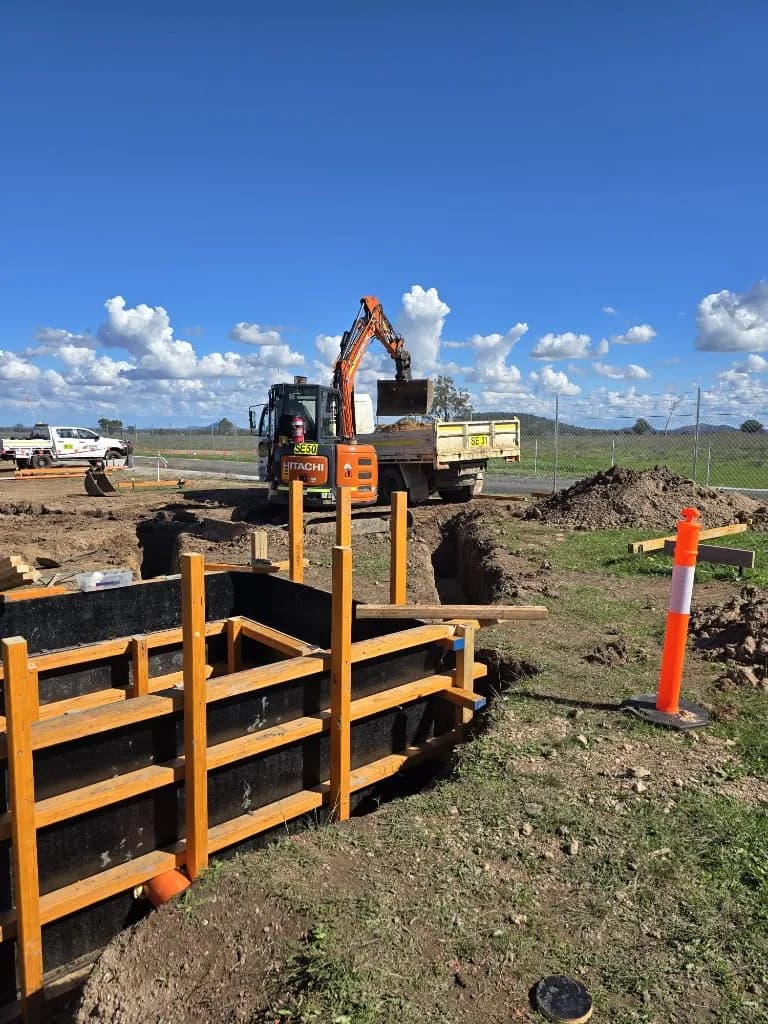
NEXTGEN is delivering early civil packages at Blind Creek Solar Farm, including earthworks support, cable trenching, inverter pad preparation, survey control, and array-field enabling works on a live renewable workfront.
View project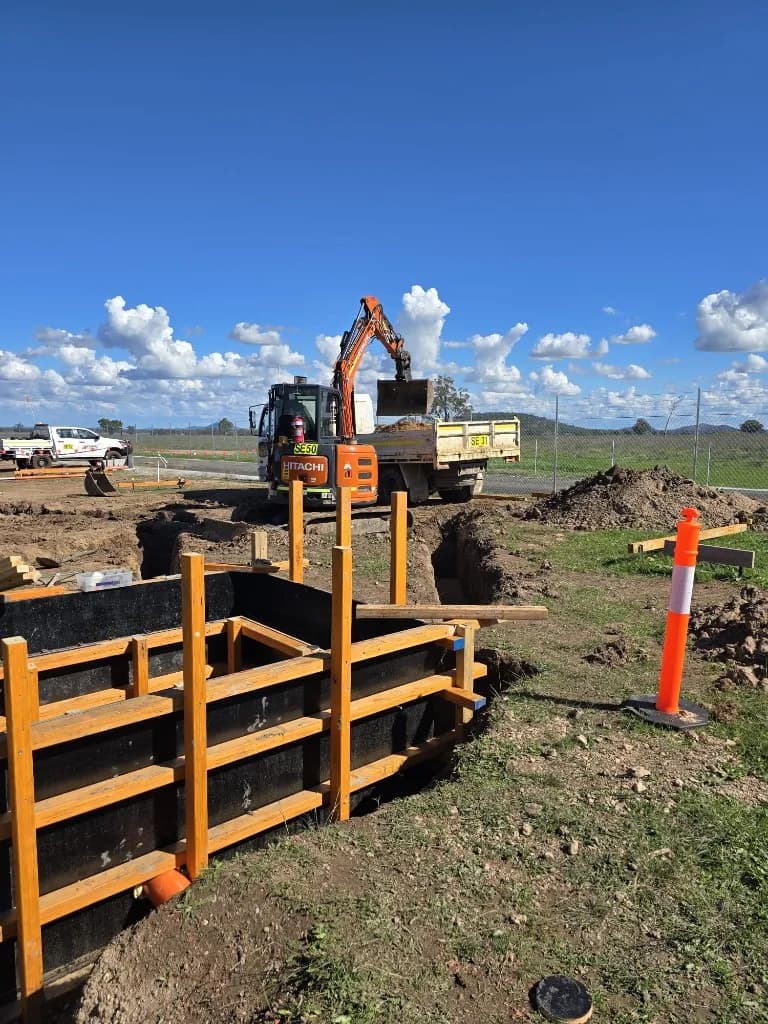
Renewable Energy
Representative capability example
Regional Australia
Representative capability example—not a named completed project. Describes how solar array grading, battery storage pads, access roads, drainage, laydown areas, and grid connection readiness are sequenced as one civil story.
View project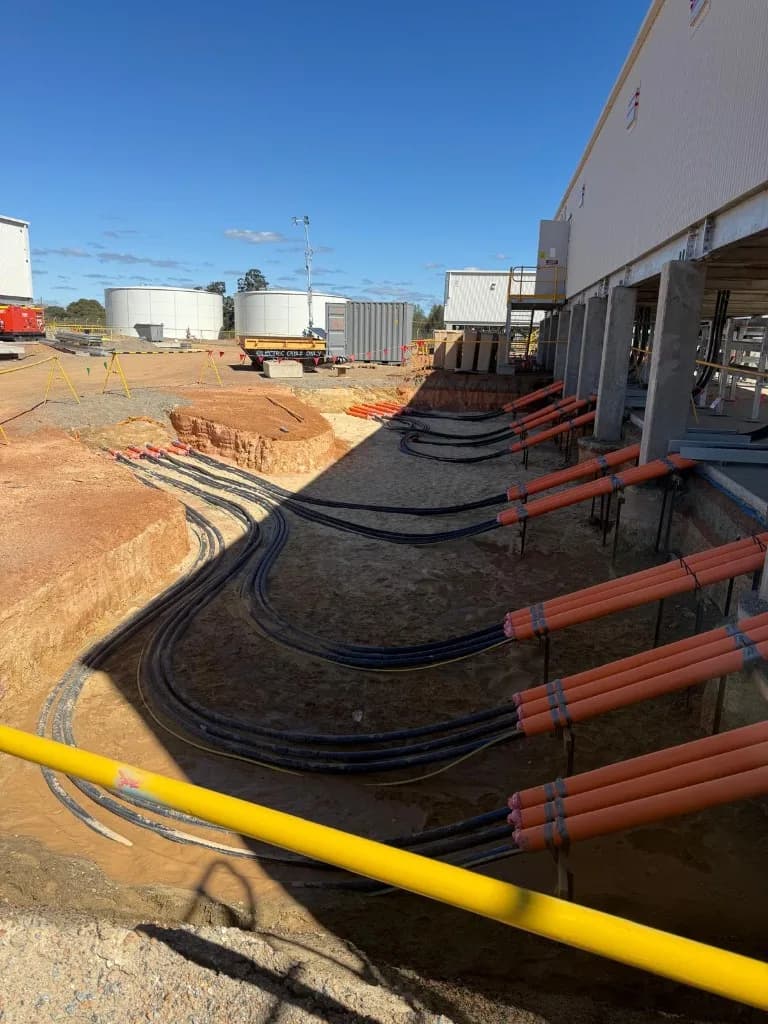
Renewable Energy
Representative capability example
Utility Network Corridor
Representative capability example—not a named completed project. Covers substation pad preparation, trenching corridors, access tracks, and staged sequencing for network connection civil works.
View project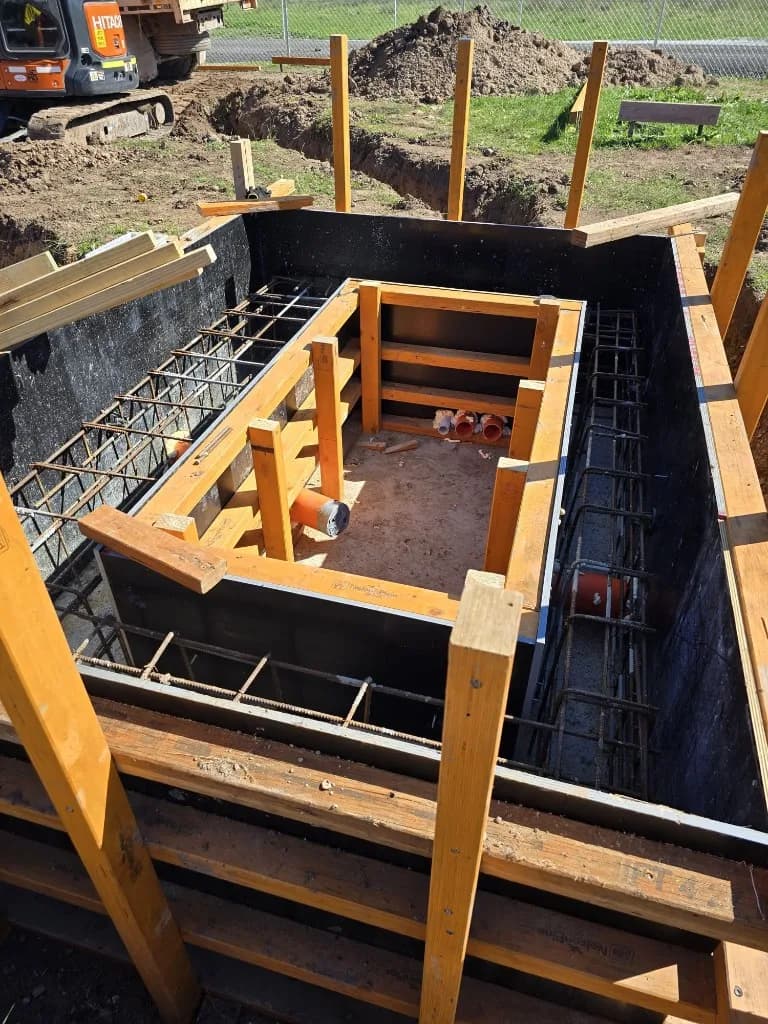
Renewable Energy
Representative capability example
Industrial Precinct
Representative capability example—not a named completed project. Covers BESS site preparation, hardstands, drainage, cable routes, foundations, and handover controls for battery energy storage civil works.
View projectBlind Creek Solar Farm is a named current mobilisation. Remaining cards are representative capability examples. Browse renewable project packages before you brief.
Use these articles for solar farm earthworks, BESS hardstands, renewable access, and grid-interface scope language. Browse the Renewable Works article hub.
Roadworks guides for renewable access roads and heavy construction traffic when corridor pavements sit beside the energy package. Browse the Roads & Access article hub.
Utility and drainage guides for pits, pipes, culverts, and underground corridors on renewable and industrial sites. Browse the Utilities & Drainage article hub.
Procurement and delivery articles covering how to brief, evaluate, and close a renewable civil package. Browse the Delivery Intelligence article hub.
Location briefs for renewable and industrial gates where access, weather, and neighbours shape civil staging from the Yallah base. Browse the NSW Locations article hub.
Civil Infrastructure takes wider industrial earthworks and structural packages. Roads takes corridor access and pavements. Contact routes a Renewable Energy inquiry when drawings are ready.
Site photography and video showing trenching, conduits, excavation, foundations, and grid interface works across renewable energy construction environments. Select any item to open the gallery.
Delivery aligns to ISO 9001, ISO 14001, and ISO 45001 frameworks—not unverified site-level certification claims. EPC hold points, ITPs, and handover records travel with every renewable civil package. See the delivery FAQ.
A practical path for owners and EPC teams briefing renewable energy work with NEXTGEN.
Site and scope review, constructability assessment, and earthworks planning before plant commits the renewable workfront.
Access and drainage planning, civil package coordination, and EPC interface management against shared hold points.
Construction delivery, testing and verification, reinstatement, and handover readiness the electrical and network packages can trust.
Send asset type, location, drawings status, EPC programme dates, and known interfaces for solar earthworks, BESS hardstands, access tracks, cable trenches, pads, or grid-interface packages.
Already have drawings ready? Open the full contact page or call the team listed there.
Short, answer-first responses on scope, coordination, records, and how to start an inquiry for this business unit.
Typical solar farm civil works cover formation earthworks, array-field grading, access tracks, drainage and sediment controls, cable trenches and conduit corridors, inverter and substation pads, and construction-ready interfaces for modules and grid connection—staged so electrical trades inherit proven formation. Blind Creek Solar Farm is NEXTGEN’s published current mobilisation for this package type (client name confidential).
BESS civil works typically include site preparation, formation proof, battery-storage hardstands, foundations and plinths, yard drainage, crane and delivery access, and cable routes sequenced before pads close. Containers and heavy lifts should arrive on proven pads—not soft formation. Named BESS assets publish only when NEXTGEN approves; the Battery Storage Site Development card remains a representative package shape.
Solar farm earthworks, array-field grading, BESS site preparation, battery-storage hardstands, access tracks, internal roads, laydown areas, compounds, stormwater drainage, culverts, cable trenches, conduit corridors, substation and inverter pads, foundations, plinths, grid-interface works, utility corridors, O&M access, reinstatement, and handover records—staged to EPC and network milestones.
Civil packages are sequenced against EPC programme gates: constructability and earthworks planning first, then access and drainage, then pads, trenches, and grid-interface works. Hold points, ITPs, and interface meetings keep electrical and network trades from inheriting soft formation or unfinished corridors.
Yes. Solar farm earthworks, array-field grading, cable trenches, conduit corridors, inverter pads, and related foundations sit inside the Renewable Energy division. See Blind Creek Solar Farm for named mobilisation evidence, and the solar farm civil works NSW guide for packaging depth.
Yes. Access tracks, internal roads, laydown areas, compounds, stormwater drainage, culverts, substation pads, utility corridors, and grid-interface civil works are coordinated here. See the substation civil works NSW guide for compound interface control and the grid connection civil works NSW guide for node staging. Permanent corridor roadworks may also brief the Roads division.
Substation civil works typically cover pad and compound preparation, drainage, trench and conduit interfaces, access and hardstand control, and hold points so EPC and network trades inherit a construction-ready node—not soft formation. Depth lives on the substation civil works NSW guide; Blind Creek Solar Farm remains the named mobilisation proof for related solar enabling packages.
Yes. Renewable Energy delivers across NSW, including Illawarra and South Coast sites run from Yallah when local staging matters. Blind Creek Solar Farm is the current named mobilisation; other cards stay representative until NEXTGEN approves named publication.
No. Renewable Hybrid Civil Works Package, Grid Connection Enabling Works, and Battery Storage Site Development are representative package shapes. They stay noindex until NEXTGEN approves named publication. Blind Creek Solar Farm is separate: a current named mobilisation with confidential client details.
Site and scope review, constructability assessment, earthworks planning, access and drainage planning, civil package coordination, EPC interface management, construction delivery, testing and verification, and handover readiness.
Asset type (solar, BESS, hybrid, or grid), location, drawings status, access and drainage intent, known services, EPC programme dates, and whether Roads or Civil Infrastructure packages sit on the same critical path.
No unverified site-level ISO certification claims are published. NEXTGEN aligns delivery with ISO 9001 quality, ISO 14001 environmental, and ISO 45001 safety management frameworks. “ISO-aligned” is not used interchangeably with “ISO-certified.”