

What a civil early works checklist should confirm
A civil early works checklist should confirm five things before any plant is floated to site: legal and physical access, the approvals and conditions that apply, the location of existing services, the environmental controls that must go in first, and the site establishment the crew will work from. If any of these is unresolved, mobilisation tends to become a stand-down.
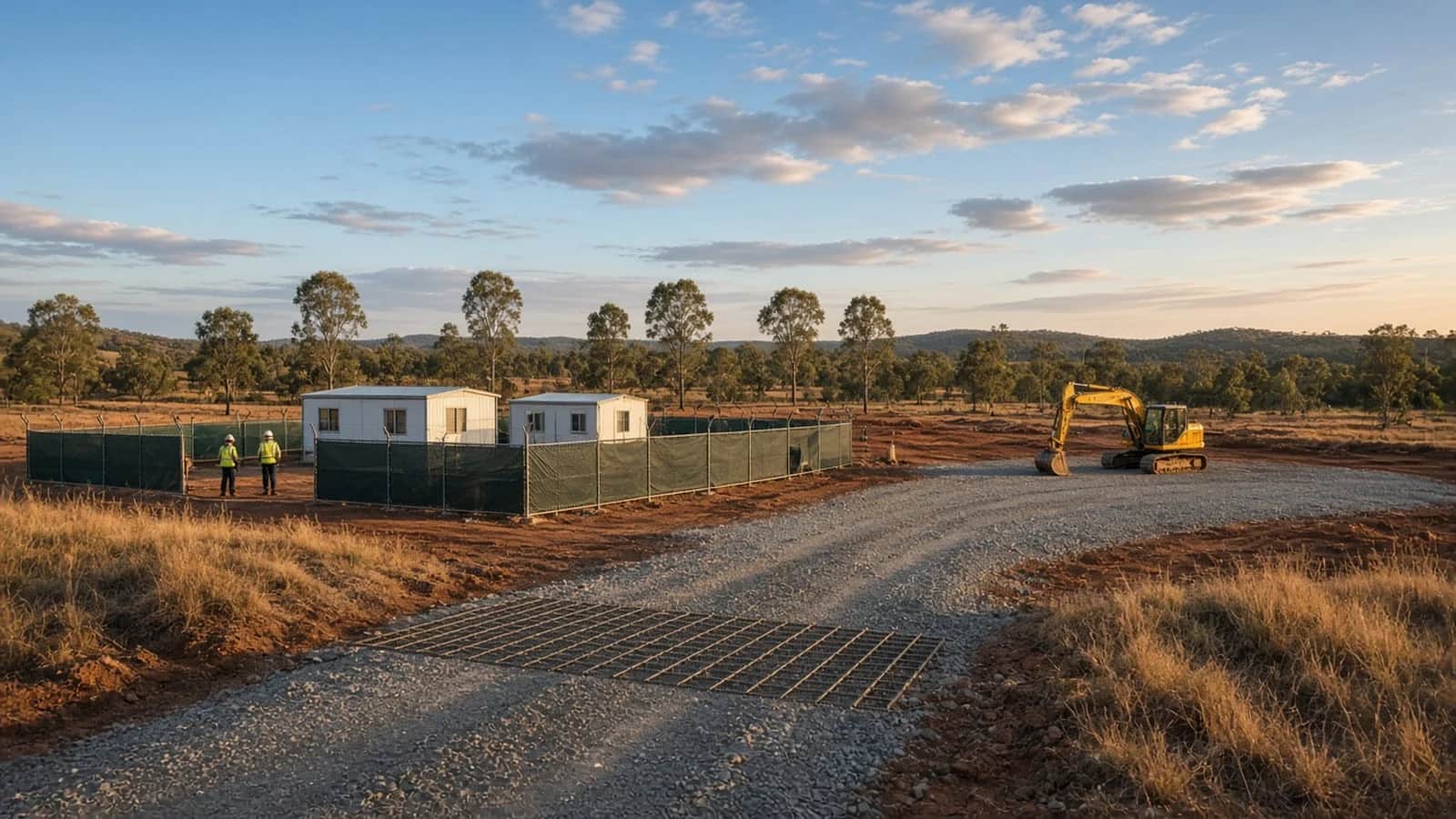
Early works are the first physical activities on a package—site establishment, clearing, temporary access, sediment and erosion controls, and service investigations—that let the main civil infrastructure works start without delay. This guide sets out what to confirm, who usually owns each item, and how to test it during procurement.
Is the site accessible, legally and physically?
Confirm who owns the land the works sit on and any land the crew needs to cross, and that access has been agreed in writing. On greenfield and rural packages, temporary access across neighbouring land or a farm track is common and easy to overlook.
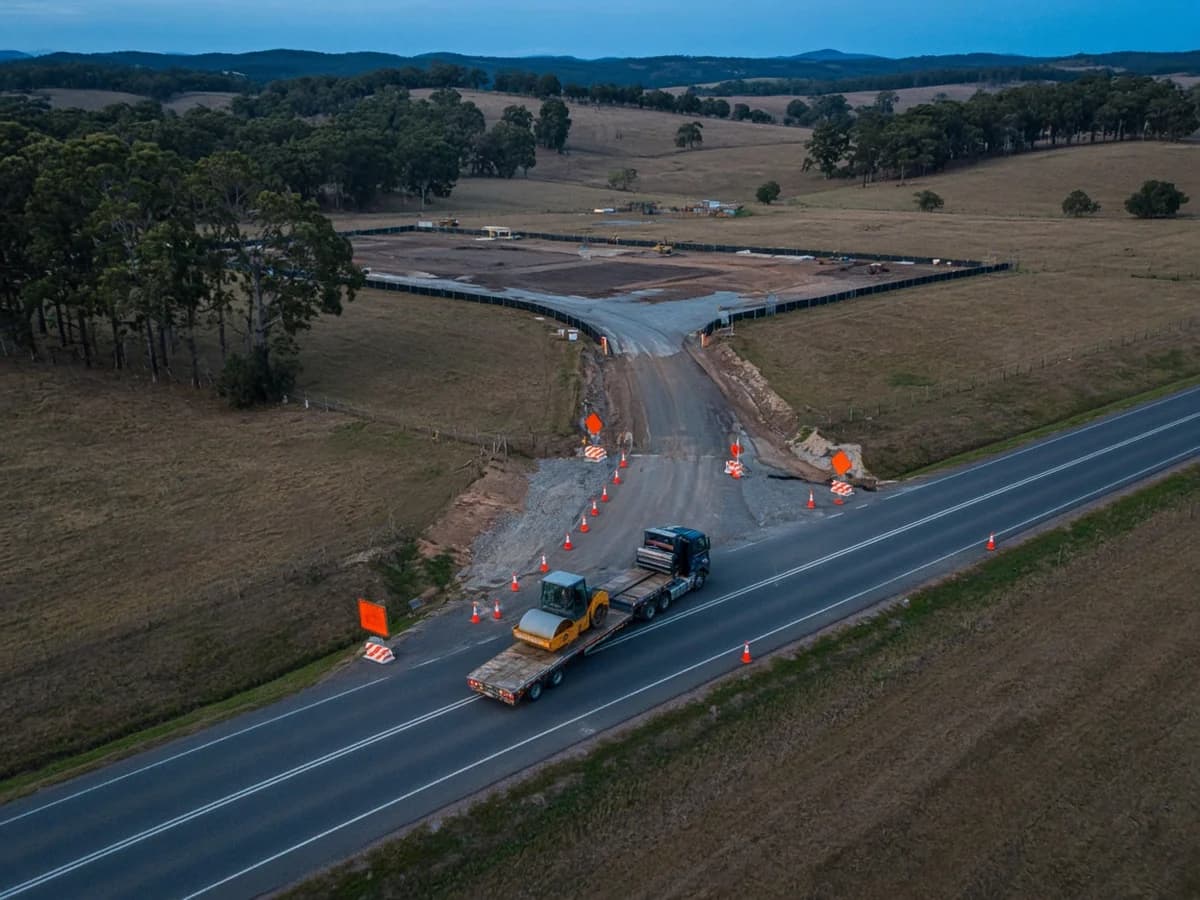
Then check the physical route. Can a low-loader carrying the largest plant item turn into the site from the public road? Does the entry need a temporary intersection, a rumble grid, or a sealed apron to keep mud off the road? If the public road frontage needs traffic management, find out which road authority approves it and how long that approval takes.
Which approvals and conditions apply to the first works?
Collect the planning consent or approval conditions that apply before construction starts, not only those for the finished project. Pre-commencement conditions often cover construction environmental management plans, traffic management, tree protection, heritage, and community notification.
Ask who holds each approval and who must satisfy each condition. A clear register of conditions with an owner and evidence for each is one of the simplest project delivery controls available at this stage.
Where approvals are still pending, agree which early activities can proceed without them and which must wait. Do not assume clearing or temporary access is exempt.
Where are the existing services?
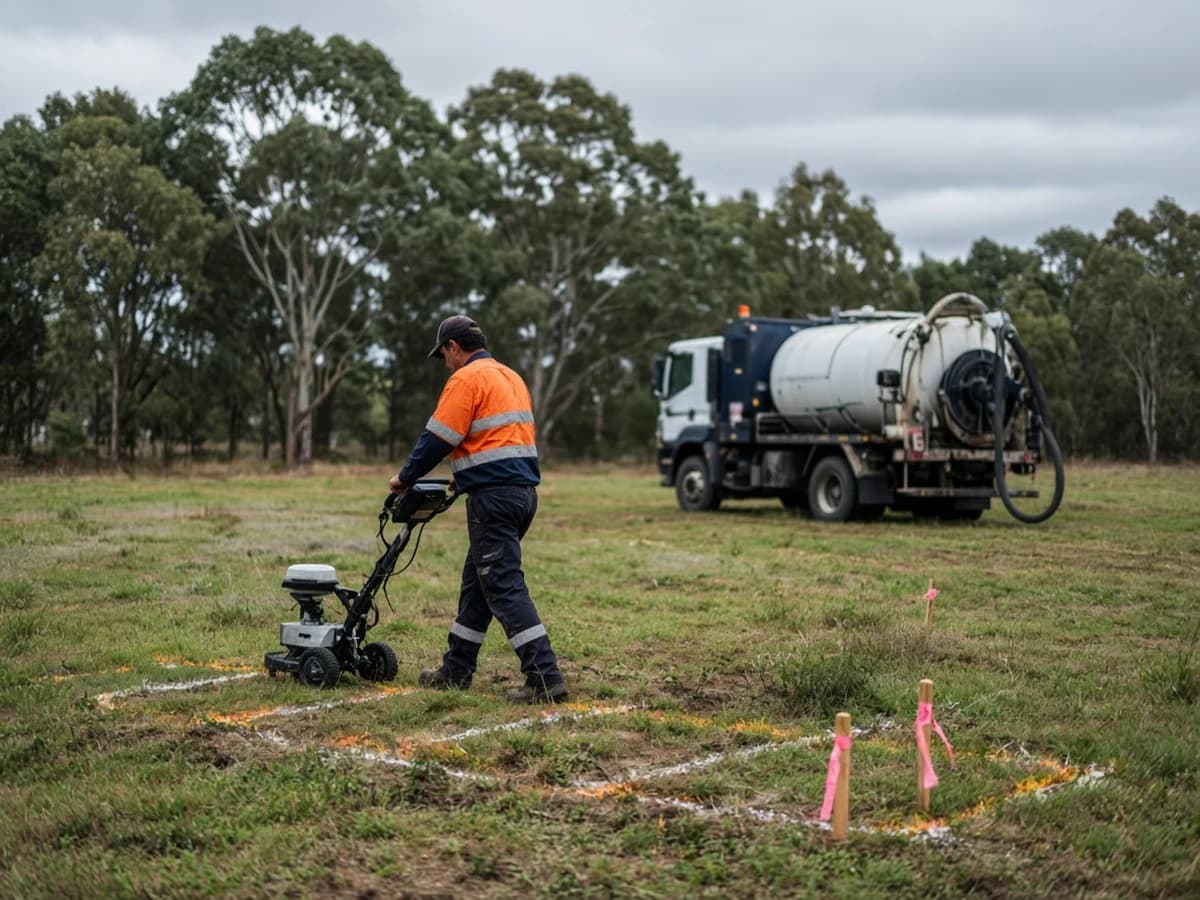
Locate buried and overhead services before excavation, temporary fencing posts, or compound footings go in. Start with a Before You Dig Australia enquiry, then confirm on site with a qualified locator and, where the risk warrants it, non-destructive potholing.
Record the results on a services plan that the crew will actually use, and mark exclusion zones on the ground. For how NEXTGEN approaches work around live assets, see live services management for civil works.
Erosion, sediment, and environmental controls go in first
Sediment fences, diversion drains, stabilised entries, and any sediment basins usually need to be installed before bulk clearing or earthworks begin. Confirm the erosion and sediment control plan is current, who installs and inspects the controls, and what happens after a rain event.
Check for vegetation, fauna, heritage, or contamination constraints that change the sequence. A pre-clearing survey or an unexpected-finds procedure is far cheaper to organise before mobilisation than after a stop-work.
Civil contractor checklist for site establishment
Use this civil contractor checklist with the client or principal contractor in the fortnight before mobilisation:
- Compound location, size, and fencing agreed, clear of services and drainage paths.
- Site sheds, amenities, power, water, and communications arranged or on order.
- Laydown and stockpile areas marked, with height limits and erosion controls.
- Site entry, rumble grid or wash-down, and public road interface confirmed.
- Safe work method statements and inductions prepared for the first activities.
- Emergency arrangements, first aid, and nearest medical facility confirmed.
- Named contacts for the client, road authority, utilities, and neighbours.
- Hold points agreed: what must be inspected or signed before the next activity starts.
How civil tender requirements should cover early works
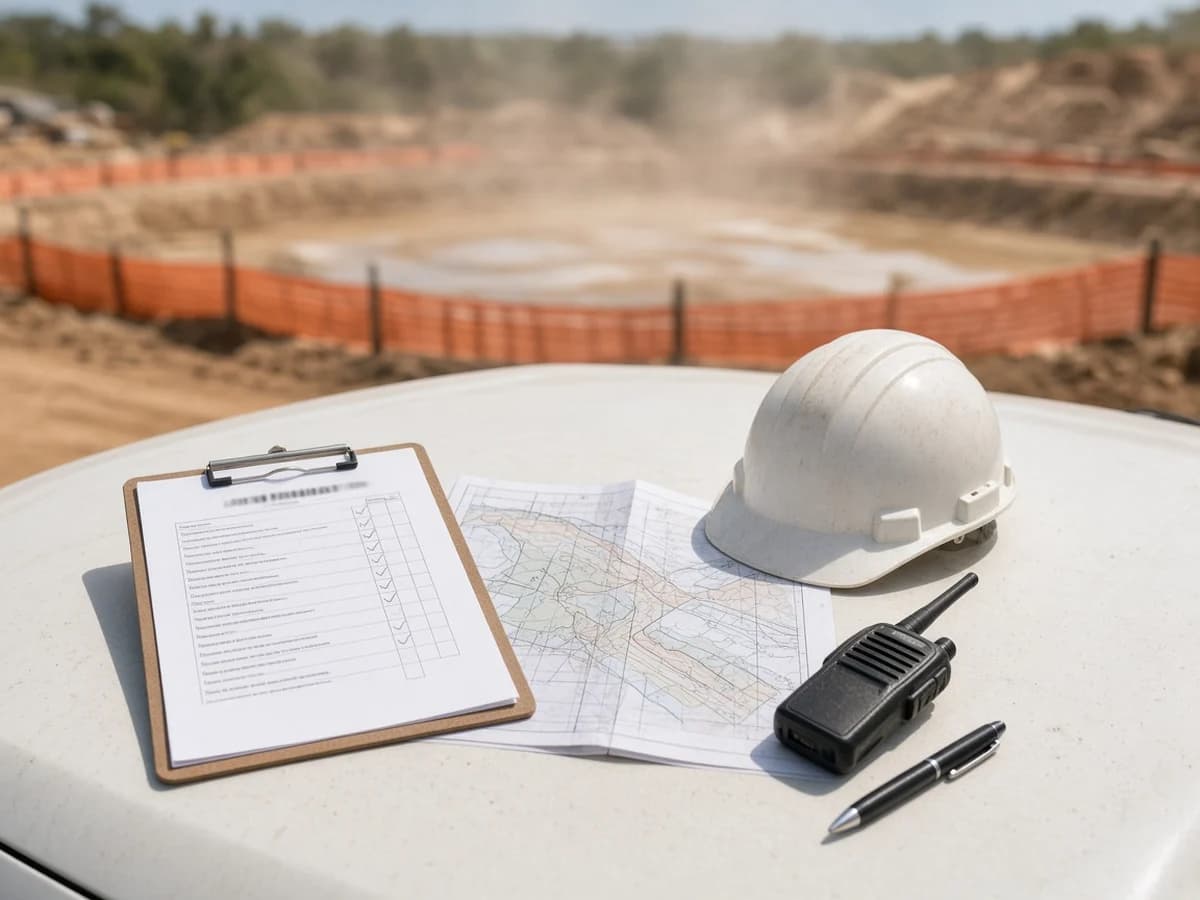
Many delays begin in the tender, when early works are described loosely or left to the contractor to assume. Civil tender requirements should state what site information is available, which approvals the client holds, which services investigations have been done, and who is responsible for each pre-commencement condition.
Ask tenderers to describe their early works sequence and the information they need from you before mobilisation. Score those answers alongside price, as outlined in civil tender evaluation in NSW.
Within any civil procurement NSW process, give bidders the same information and the same opportunity to ask questions. Early works gaps found after award usually become variations.
Common mobilisation risks and how to control them
The risks that most often stall the first week are predictable: access not agreed, a pre-commencement condition unsatisfied, an unexpected service, or wet weather on unprotected ground. Each one has a control that costs little if it is arranged before mobilisation.
Record these risks with an owner and a due date, and review them at the pre-mobilisation meeting. The civil project risk register guide explains how to keep that list useful, and civil project staging covers how early works feed the main workfronts.
Brief NEXTGEN before mobilisation day
If you are preparing a civil package, send NEXTGEN your project details with the site location, approval status, known services, and target start date. The project FAQ covers what information helps the delivery team respond.