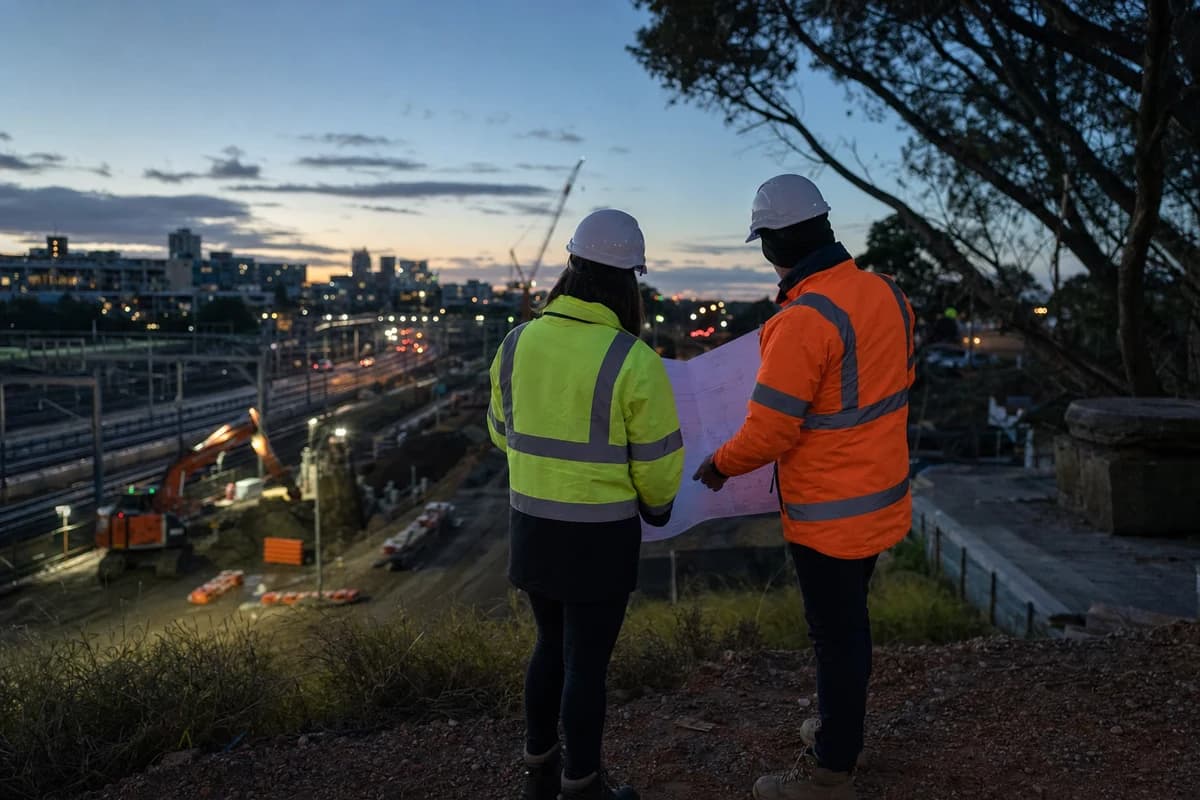

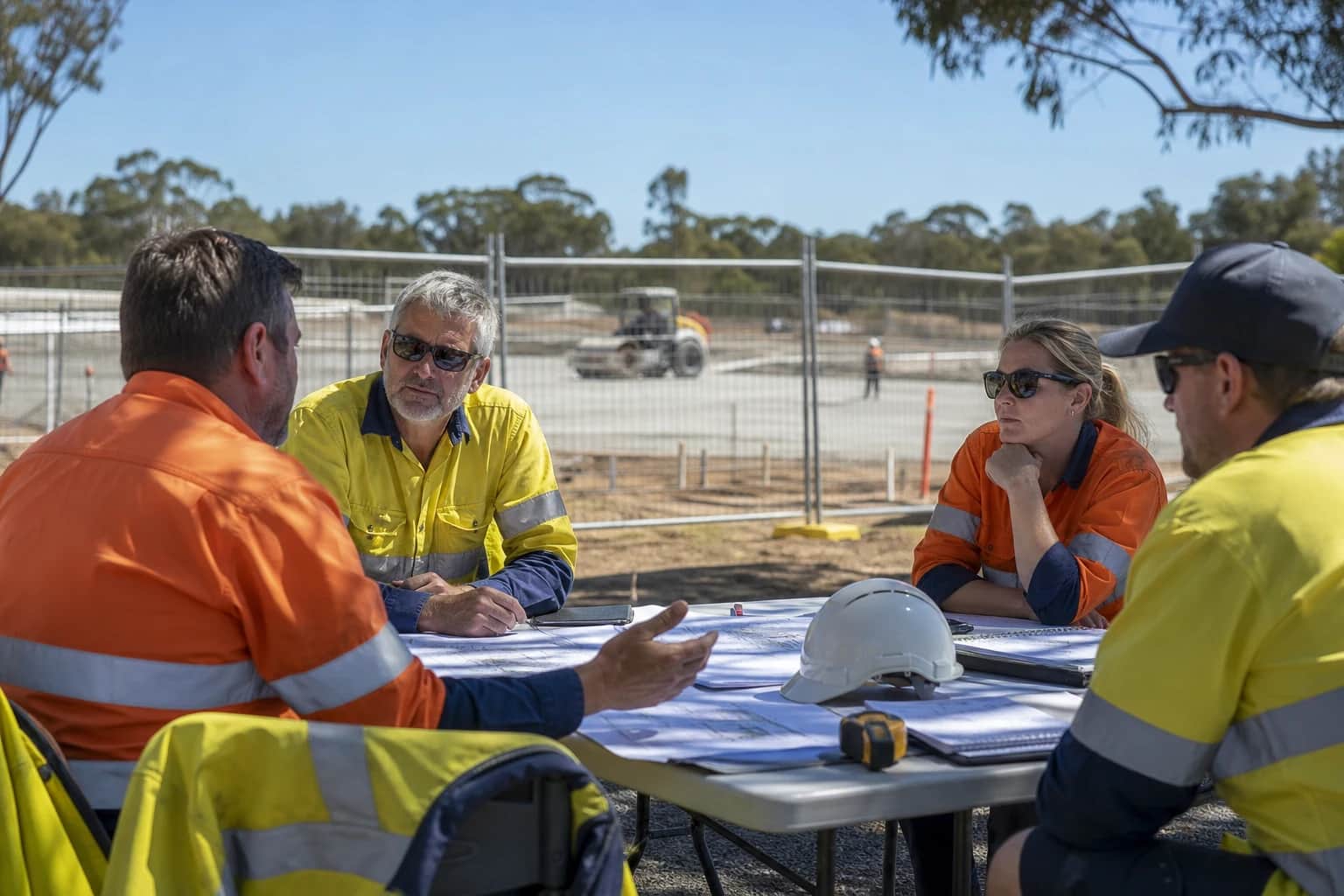
How to choose a civil contractor NSW owners can rely on
Start with outcomes you can verify. A capable NSW civil contractor can restate inclusions and exclusions, show how safety and environmental controls work on live sites, and produce delivery proof—ITPs, as-builts, and closed non-conformances—without translating everything into marketing language.
Price and plant lists matter later. First decide whether the team can protect your programme when ground conditions, utilities, weather, or authority interfaces change. That filter removes most noise before civil contractor procurement NSW conversations get detailed.
Use NEXTGEN’s civil infrastructure overview for division context while you score—then keep this guide focused on appointment decisions. Package-level staging depth sits in civil infrastructure contractor NSW checks.
Civil contractor selection criteria: score before you shortlist
Build a short civil contractor selection criteria sheet and refuse to score tenders without it. At minimum cover: stated inclusions/exclusions, temporary works ownership, live-service assumptions, hold points for earthworks and drainage, named site decision makers, and sample ITP habits.
Ask the contractor to mark interfaces with roads, utilities, and following trades on one drawing. Ambiguous edges are where delivery risk hides when plant looks impressive in a yard photo.
- Scope map: inclusions, exclusions, provisional sums, and who owns design gaps.
- Method: staging, wet-weather restart, and how soft ground is treated.
- Interfaces: drainage, utilities, pavement edges, and public road ties.
- People: named supervisors, escalation path, and response time for clarification walks.
- Records: sample ITPs, as-built habits, and closed non-conformance examples.
Procurement questions that expose brochure answers
Write civil tender questions that demand method statements tied to your drawings—not generic WHS policies alone. Request named supervisors, proposed plant for constrained access, and how wet-weather holds restart the workfront.
Require sample ITPs and a redacted non-conformance close-out example from a comparable NSW package. Delivery proof culture shows up in paperwork habits long before practical completion.
- Which inspection hold points freeze your earthworks, drainage, and pavement sequence on this drawing set?
- How do you prove compaction testing by lot and chainage—not only with end-of-shift averages?
- What environmental controls travel with each workfront when sediment, dust, or spill risk changes mid-shift?
- Who owns utility clearances and dial-before-you-dig confirmations when undocumented services appear?
- How do traffic staging and public road interfaces stay workable while trenches or pavement layers are open?
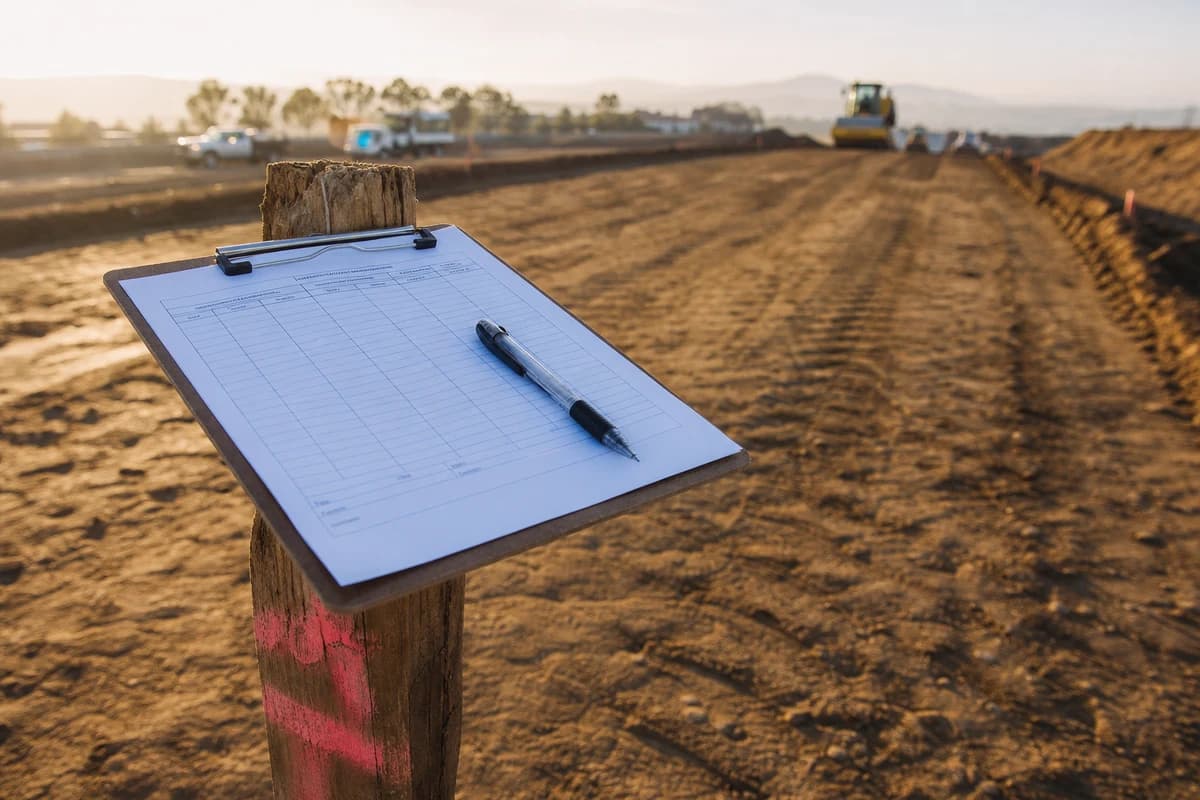
What project delivery controls should look like on a live site
Project delivery controls are only real if supervisors can describe them without reading a brochure. Look for survey control, sediment and traffic plans that match the current workfront, and escalation paths when services are discovered.
Visit a live or recently handed site when possible. Organised compounds, clear exclusion zones, and up-to-date drawings on the workfront say more than laminated certificates in a boardroom.
On NSW industrial, council, and precinct sites, also watch how temporary drainage and environmental controls move with the workfront. A tidy site photo from week one means little if sediment fences and dirty-water pathways were left behind when the trench moved.
When drainage or trench packages dominate risk, add confirmation gates from stormwater drainage contractor NSW. When pavement quality dominates, overlay checks from pavement construction contractor NSW. Score ITP culture with civil works inspection test plans.
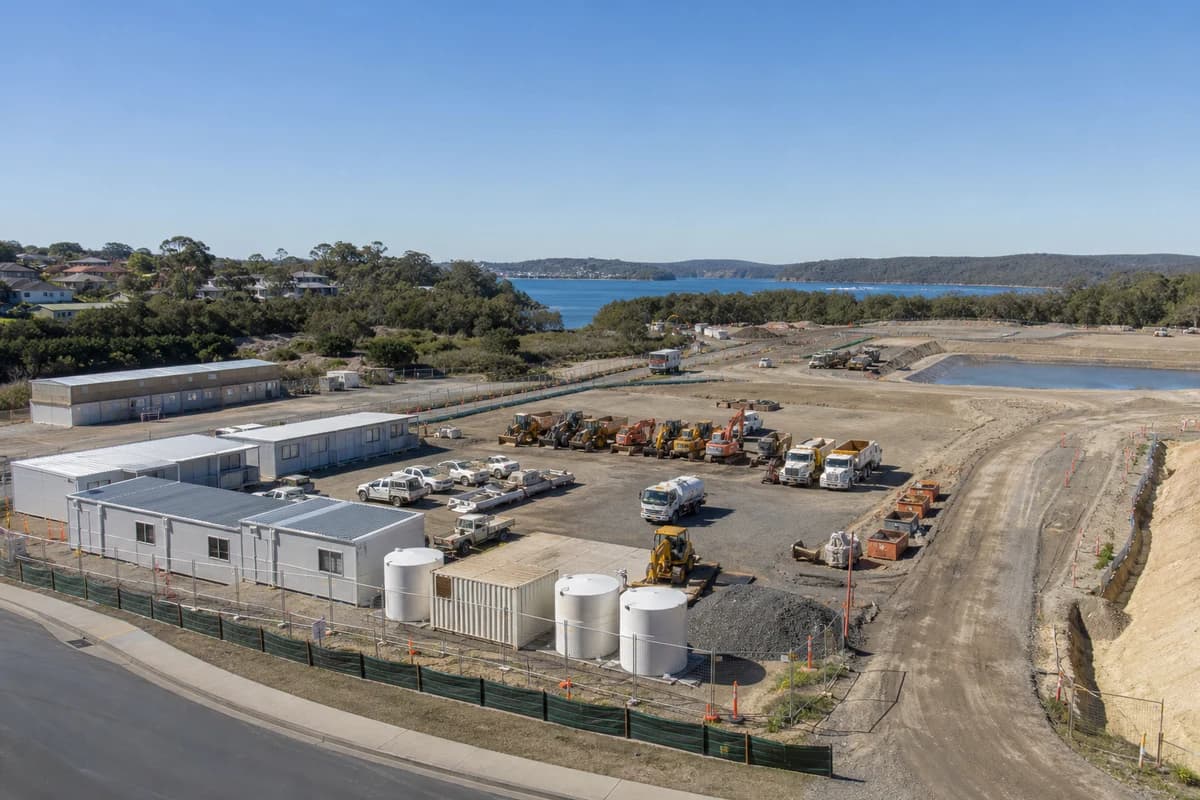
Lessons from delivery: red flags in civil contractor procurement NSW
In civil contractor procurement NSW processes, treat these as early rejects: unexplained low rates against known interface risk, refusal to name on-site decision makers, and method statements that never reference your drawings.
Also reject vague “provisional” answers on utilities, contamination, or public road ties when your brief already asked for assumptions to be listed. Silence here usually becomes a variation later.
Another recurring lesson: contractors who cannot show how compaction testing, utility clearances, and pavement or pad hold points were closed on a prior NSW package will struggle to invent that culture after award. Ask for evidence, not promises.
Compare how tender returns should be scored in civil tender evaluation NSW. Multi-business-unit packages should also confirm whether roads or energy interfaces need roads or renewable energy civil coordination—not only a civil lump sum.
Make the appointment decision with a clear inquiry pack
When shortlists are ready, contact NEXTGEN with drawings, programme drivers, known constraints, and your civil contractor checklist scores. A complete inquiry pack speeds a serious response and keeps civil contractor procurement NSW conversations comparable.
Use the civil project inquiry checklist to assemble the pack, browse delivery context in the industrial site development package (representative), and review assurance themes in the delivery FAQ.