

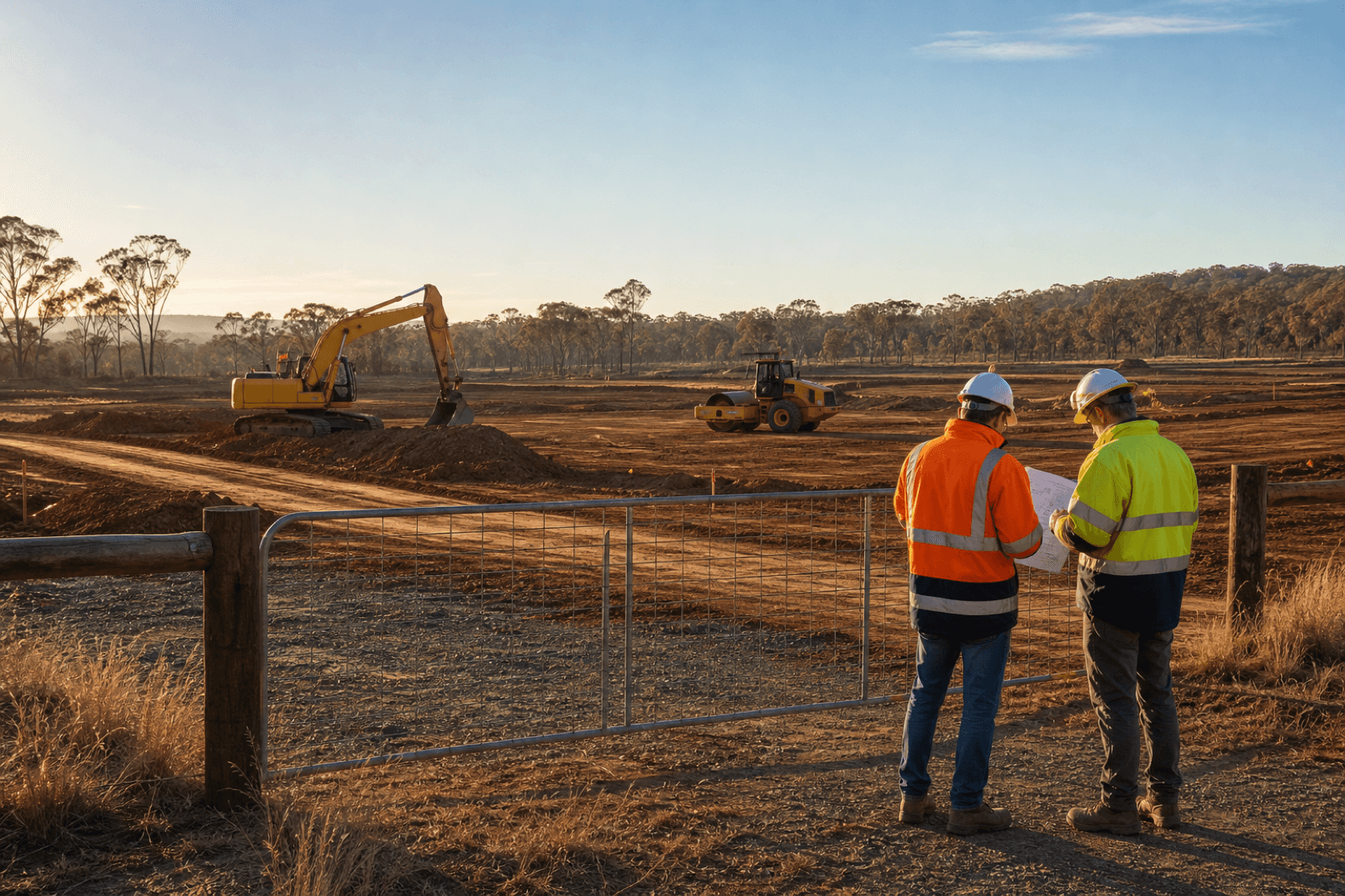
Why a civil project risk register belongs before mobilisation—not after the first delay
A civil project risk register lists what can stop earthworks, drainage, or pavement production, who owns each item, and what evidence closes it. Access pinch points, unexpected ground, and council or utility holds are the three categories that most often blow programme on NSW packages.
Without a live register tied to drawings and staging, teams negotiate the same gate twice—once in tender and again when the gate appears on site. That is how civil procurement NSW decisions look smart on paper and fragile at the kerb.
NEXTGEN treats early risk mapping as part of delivery intelligence alongside the expectations in the project FAQ.
Access risks that should appear on every NSW civil register
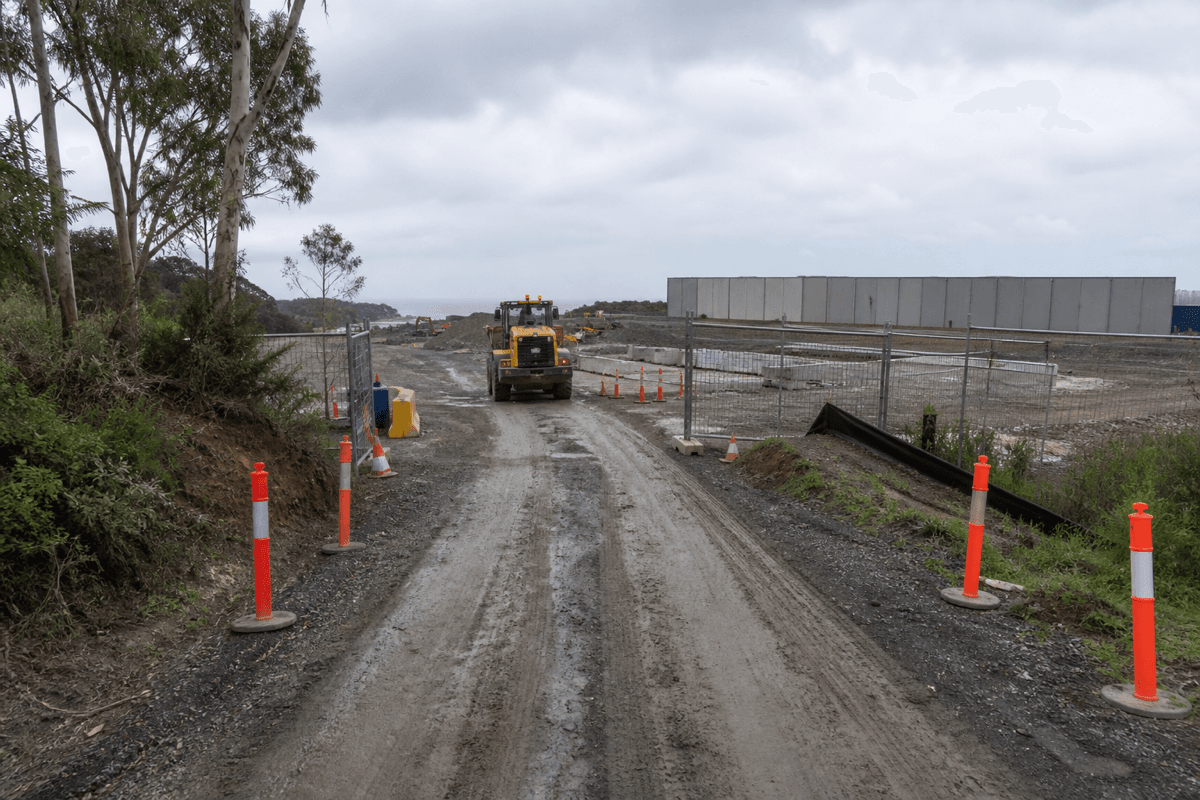
Access risks cover more than "can a truck fit through the gate." List turning radii for articulated plant, haul hours, neighbour notification windows, mud tracking onto public roads, and whether temporary roads need compaction proof before wet weather.
Industrial estates, renewable corridors, and council interfaces each change the access story. A register line that says "obtain access" is not a control—it is a placeholder.
Where haul and gate logic is the main driver, cross-check method against NEXTGEN roads and access delivery so access risks match the pavement and drainage package—not only earthworks.
Ground conditions: what to register before pricing formation
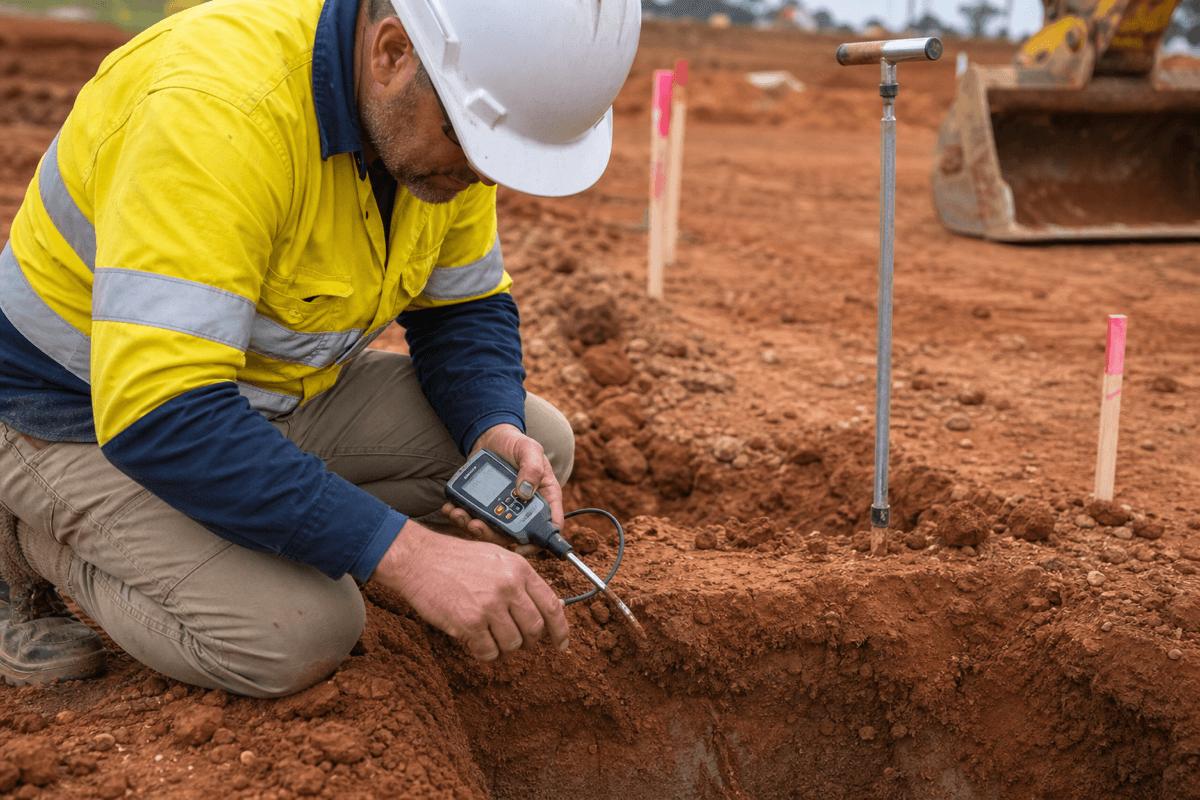
Ground condition risks belong on the civil project risk register when drawings show generic fills, when geotechnical reports are old, or when cut-to-fill balance assumes uniform material. Register moisture sensitivity, rock or soft-spot contingency, dewatering triggers, and who pays for a redesign if test pits disagree with the tender assumption.
Project delivery controls should tie each ground risk to a hold point—formation proof, moisture limits, or survey checks—not to a verbal "we will see on the day" note.
Civil project risk register checklist for clients and EPC teams
Use this gate while civil tender requirements are still being written or while returns are comparable:
- Access: gate dimensions, haul route proof, public-road cleanliness, and neighbour hours are named with owners.
- Ground: geotech age, test-pit triggers, moisture and rock contingencies, and redesign authority are listed.
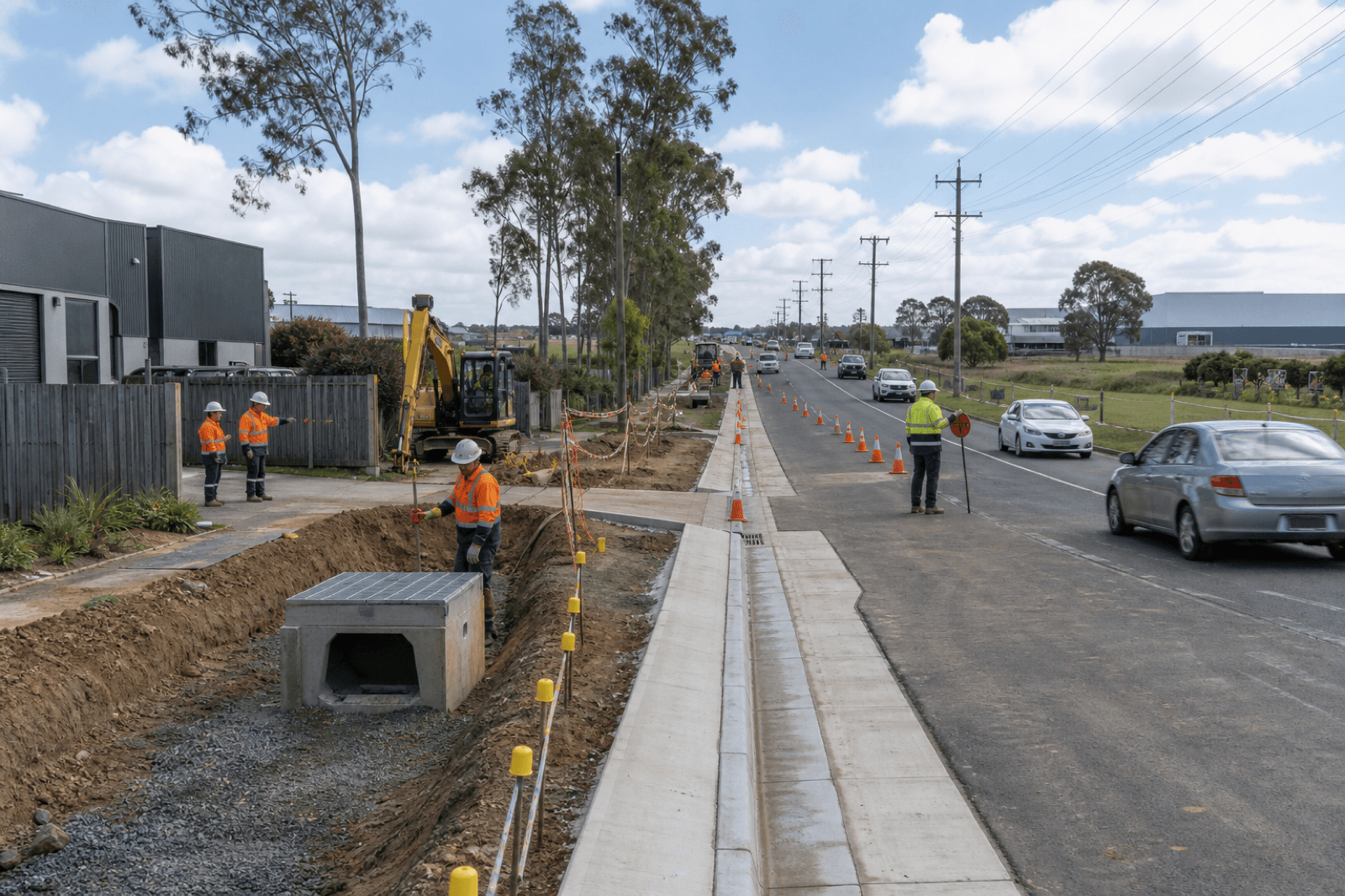
- Authorities: road occupancy, traffic, sediment, utility, and reinstatement permits each have lead times.
- Civil contractor checklist includes a sample register or redacted risk log from a comparable package.
- Project delivery controls show how open register items become hold points—not email threads.
How civil procurement NSW should use the register after award
After appointment, the civil project risk register becomes a weekly production tool—not a tender appendix. Open items should appear in pre-starts, interface meetings, and ITP hold logic until closed or formally accepted.
Civil procurement NSW teams should reject practical completion while access restoration, authority sign-offs, or ground-related NCRs remain open on the register. Those are the same items that become defects arguments six months later.
Keep quality close-out aligned with inspection test plans for civil works when open register items tie to hold points at practical completion.
Brief NEXTGEN with a risk-aware civil package
When access sketches, geotech, authority contacts, and programme drivers are ready, contact NEXTGEN so a civil project risk register can be scoped against realistic civil infrastructure delivery on your site.