
What is included in an Inspection Test Plan?
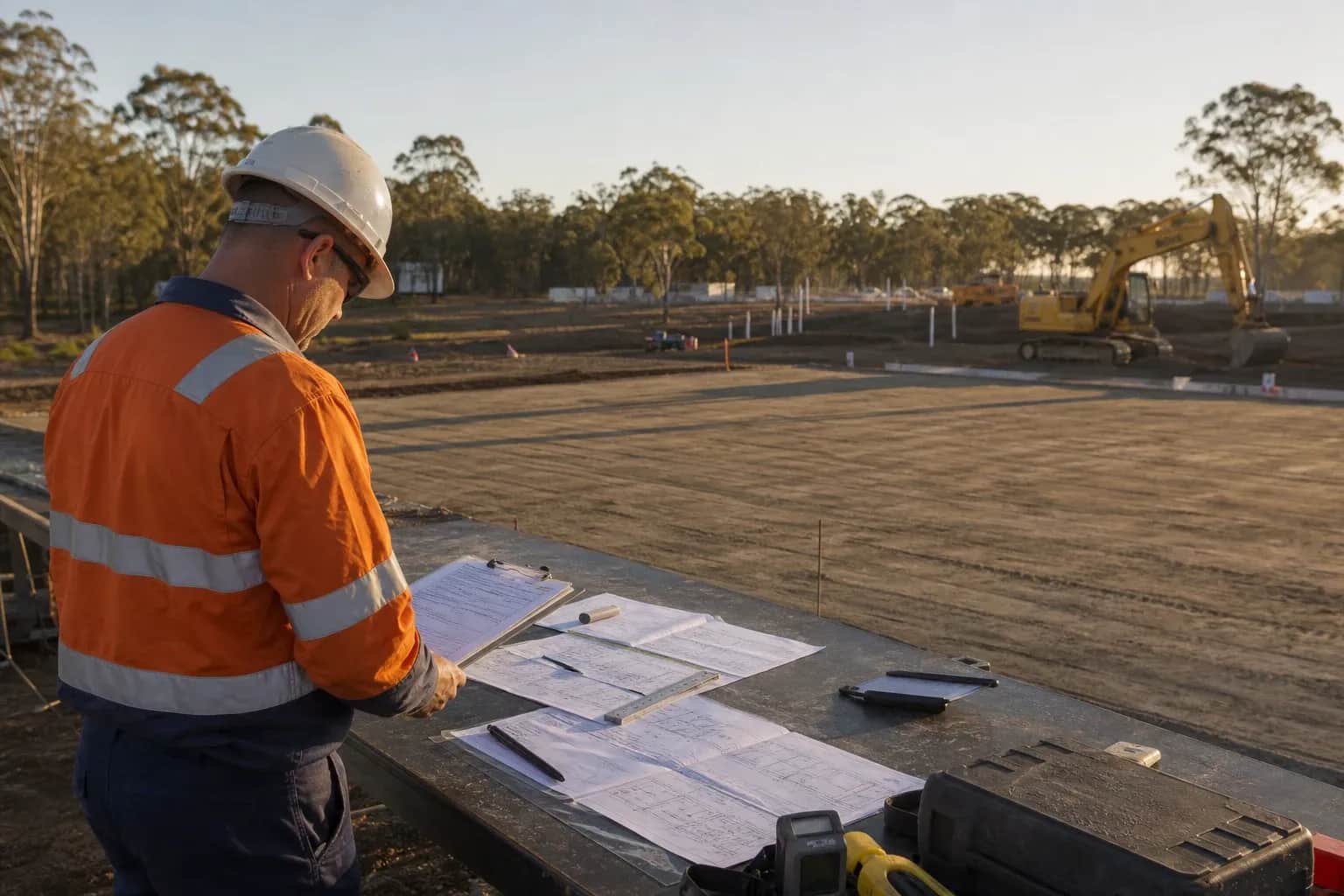
A civil works inspection test plan lists the inspections and tests required for civil activities, the acceptance criteria, hold or witness points, and who signs each gate—tied to drawings and chainages. At practical completion it is the evidence trail that shows what was inspected, tested, and accepted—not a binder assembled after plant leaves.
Without closed ITP items, owners and following trades inherit soft pads, unfinished drains, and arguments about who signed which hold point. ITPs convert project delivery controls into dated records that make handover usable for defects, warranties, and next-trade start decisions.
NEXTGEN treats ITP close-out as part of delivery assurance alongside the expectations summarised in the delivery FAQ and the engagement approach on about NEXTGEN.
What quality records are provided at handover?
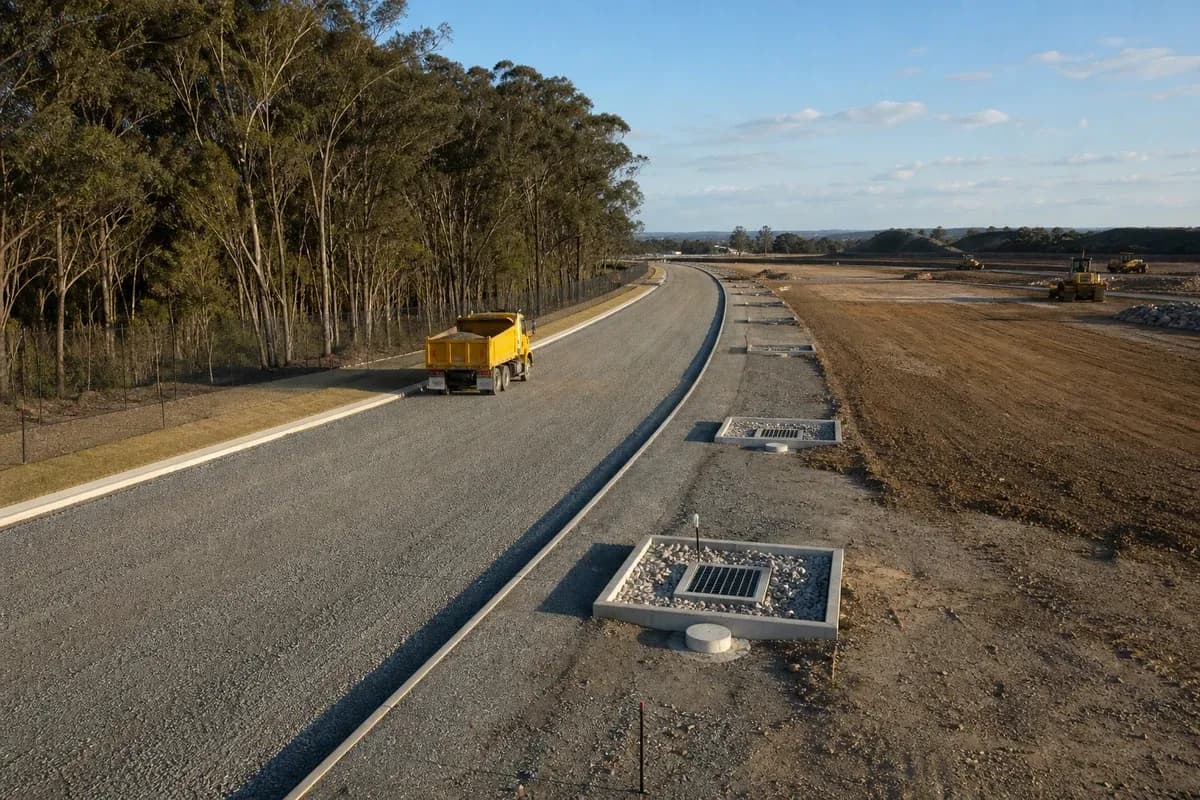
Handover should include closed ITP items, hold-point sign-off, compaction and level proof where specified, drainage invert checks, as-built mark-ups, and photographic evidence for critical interfaces—pits, culverts, trench reinstatement, and pavement edges.
Map ITP lines to the same scope map used in civil tender requirements. If the method claims compaction proof for pads but the ITP only covers concrete, the package will look complete while formation risk remains open.
Generic templates that ignore your earthworks, drainage, pavement, or utility interfaces do not protect handover. Records must survive staff turnover after demobilisation.
How do hold points and witness points work on site?
Hold points stop work until an authorised person verifies criteria. Witness points let the client or superintendent observe without always stopping the sequence. Both only work when ownership and notice periods are written before mobilisation.
On NSW civil sites, high-value holds usually sit at formation acceptance, drainage invert checks, utility clearances, and pavement layer proof. Leaving those as verbal "call us if needed" instructions is how soft spots and orphan drains reach practical completion.
Compare how tender scoring treats these controls in civil tender evaluation NSW—ITP logic is easier to enforce when it was weighted before award.

How should clients close ITPs before practical completion?
Handover fails when open ITP lines are deferred to "snag lists" after the certificate is chased. Require a close-out register that shows each hold as accepted, waived with written authority, or outstanding with ownership and dates.
Non-conformances must link back to the civil works inspection test plan item they affect. A NCR register that floats free of ITP chainages cannot prove the defect was fixed against the original acceptance criteria.
Browse delivery evidence shapes in NEXTGEN's project showcase—including the industrial site development package (representative)—when you evaluate whether a contractor's sample records look like site reality or brochure samples.

How should clients compare civil contractor proposals on ITPs?
Add ITP sample review to your civil contractor checklist before you finalise civil procurement NSW decisions. Ask for a redacted ITP from a comparable package and how hold-point delays are managed in the programme.
Write civil tender requirements that demand ITP ownership, notice periods for holds, and electronic or hard-copy record format—not only a promise to "comply with QA". Vague compliance language produces empty folders at handover.
Strengthen the brief that feeds those requirements with what to include in a civil project inquiry, then use how to choose a civil contractor in NSW to test whether delivery proof culture matches the checklist.
ITP readiness checklist for NSW clients
Use this gate before you accept practical completion:
Every critical activity on the civil works inspection test plan has a signed hold or witness record tied to drawing revision and chainage.
Open non-conformances either are closed against acceptance criteria or listed with ownership, dates, and impact on following trades.
As-builts, test results, and photos sit with the same ITP items—not in a separate unsorted drive.
Civil tender requirements and the awarded method still match the ITP lines that were actually executed on site.
When you are ready to brief a package that needs ITP discipline from mobilisation, contact NEXTGEN with drawings, programme drivers, and the hold points you expect at handover.