

What civil works are required for a solar farm?
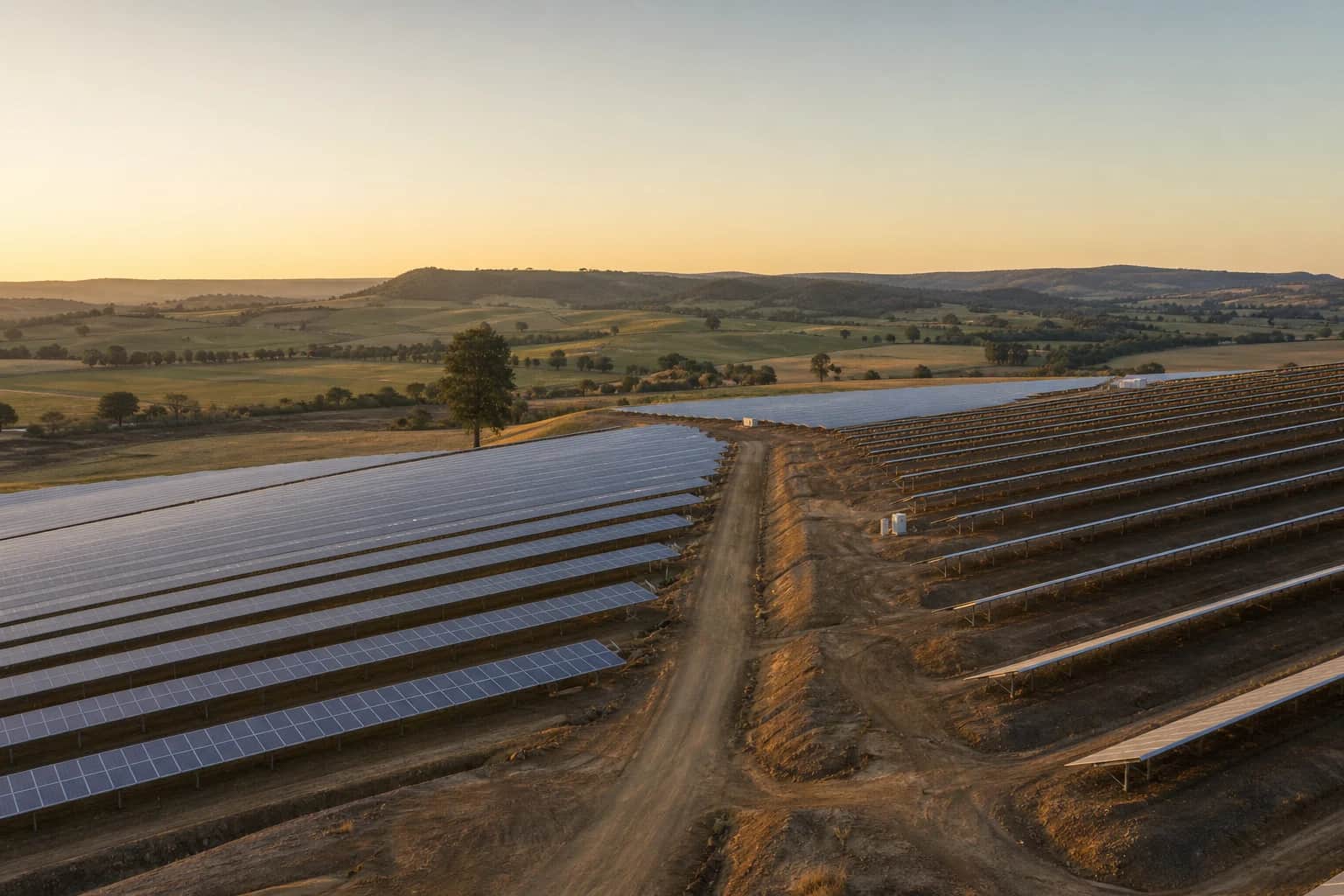
Solar farm civil works NSW typically cover formation earthworks, row and corridor grading, renewable access roads, drainage and sediment controls, cable trenches and conduit corridors, plus pads for inverters, battery storage civil works, and grid connection—staged so installation can proceed without rework.
Owners and EPCs lose time when civil packages stop at rough grading. Construction-ready means access can carry plant, drains control runoff across large catchments, and interfaces at the substation fence are named before civil demobilises.
NEXTGEN’s renewable energy civil division frames these items as one delivery conversation. For named mobilisation evidence, see Blind Creek Solar Farm (client confidential).
How do earthworks and pads stay buildable after wet weather?
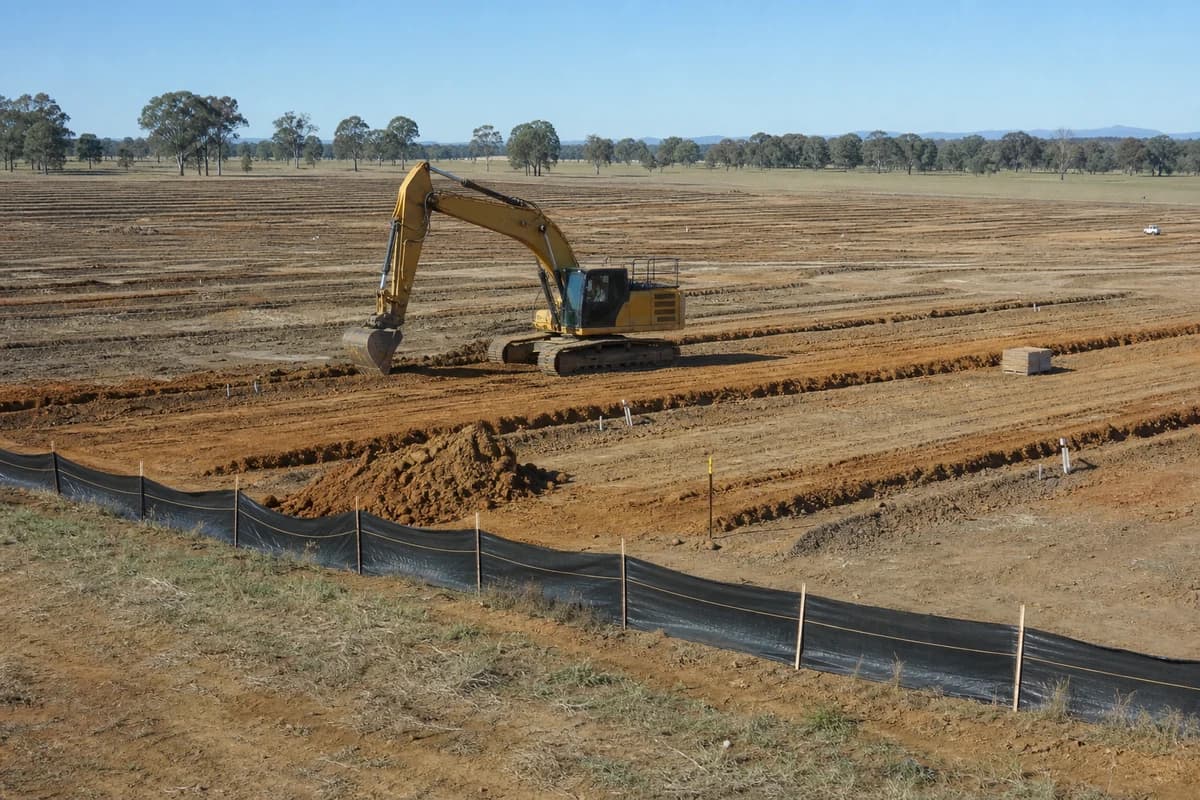
Solar earthworks are less about a single building pad and more about long, consistent benches that keep tracker rows, cable corridors, and inverter locations on a workable plane. Tolerances must match pile or foundation design—not only a contour plan.
Cut-fill balance, temporary haul paths, and moisture control decide whether plant can keep moving after coastal or inland NSW rain. Soft spots left between rows become access failures later, even if the bulk dig looked complete.
Ask for a method that links survey control to access and drainage hold points. Blind Creek and other packages in NEXTGEN’s renewable and civil project showcase help owners test whether the contractor has delivered large open sites before.
Does NEXTGEN construct access roads for solar farms?
Yes. Renewable access roads are working assets during construction and maintenance routes after energisation. Formation width, turning, compaction, and drainage at low points should be agreed before pavement or gravel layers lock soft subgrades in place.
Separate temporary construction tracks from permanent O&M routes when traffic loads differ. Many NSW solar programmes burn programme when haul traffic destroys the same surface crews need for module delivery weeks later.
Coordinate road geometry with fence lines and public road interfaces. Permanent corridor roadworks may also brief NEXTGEN Roads when pavement strength owns the critical path.
How should drainage protect formation and neighbours?
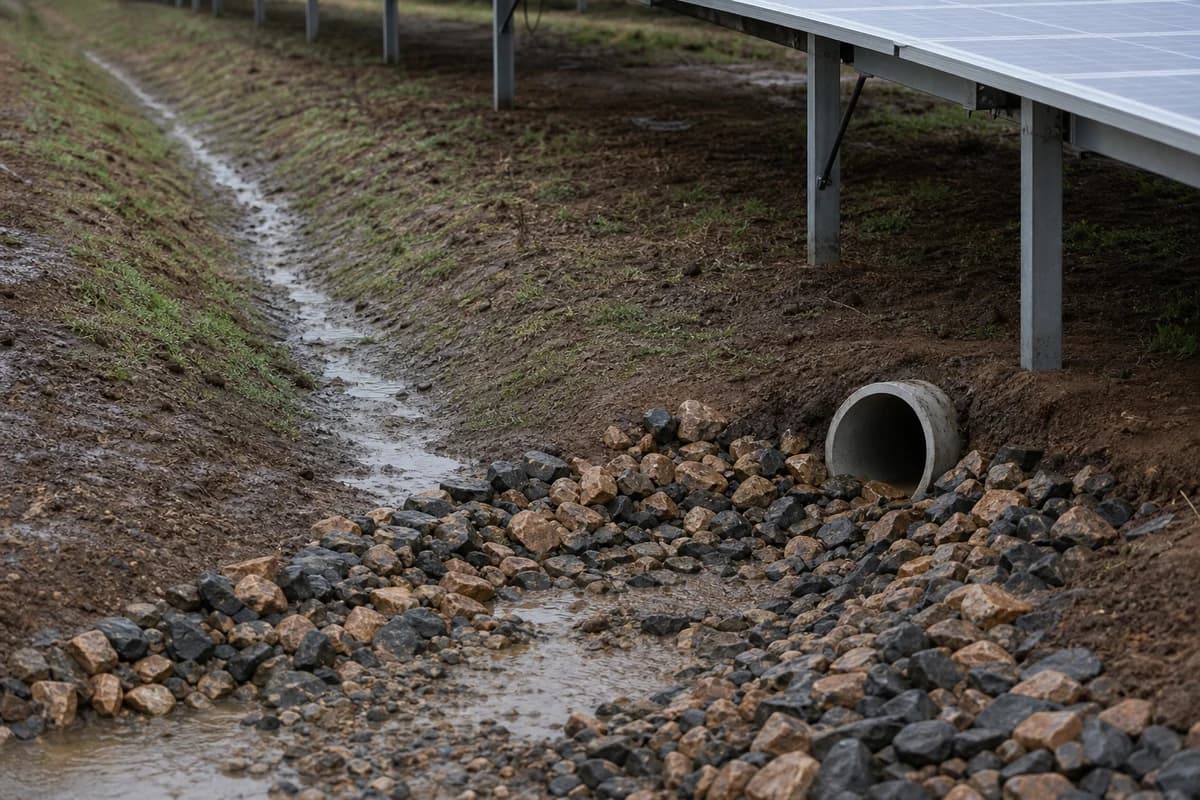
Large solar footprints concentrate runoff. Swales, culverts, dissipaters, and temporary sediment controls must be staged with earthworks so water does not cut new channels through freshly graded rows.
Drainage design-and-construct interfaces need clear ownership: Who sets levels at crossings? Who maintains temporary controls until permanent vegetation or surfacing is established?
When array drainage meets estate or public road edges, align civil sequencing with NEXTGEN roadworks and access capability so pavement and pipework share one staging plan rather than fighting for the same corridor.
What is included in BESS civil works on a solar site?
Battery storage civil works typically include discrete hardstands, foundations or plinths, bunding where specified, yard drainage, heavy-vehicle and crane access, and cable entries that differ from row earthworks. Define pad extents and fire access early so solar civil demobilisation does not leave the BESS yard incomplete.
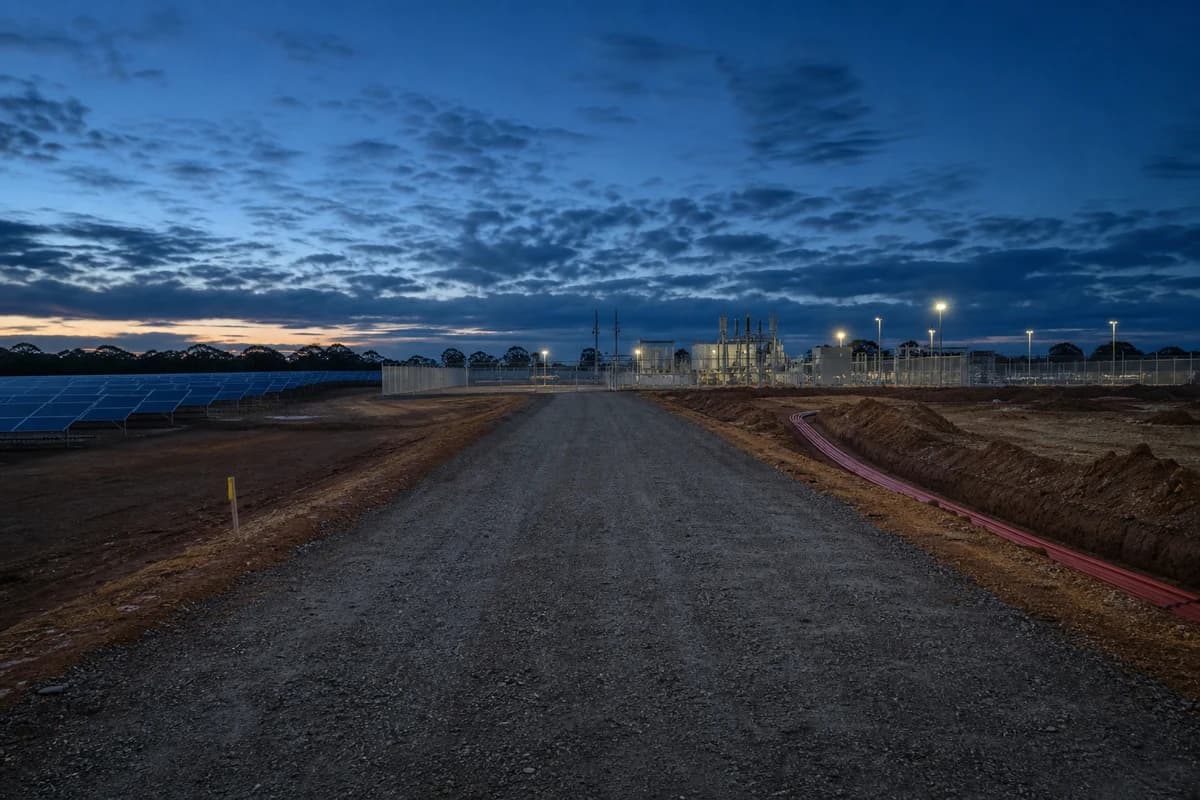
Grid connection civil works typically include substation or switching-station pads, fence foundations, conduit corridors, and controlled access from the public road. Those packages fail when trenches arrive after concrete, or when fencing starts before pad compaction is proven.
For compound interface control, EPC hold points, and handover at the substation fence, see substation civil works NSW alongside grid connection civil works NSW node staging.
Keep EPC electrical scope and civil boundaries visible on one interface drawing. Ambiguity at the fence line is where solar, storage, and network assets lose days.
What should EPC coordination confirm before mobilisation?
Confirm pile or foundation datums, cable route ownership, and who installs temporary tracks versus permanent renewable access roads.
List battery storage civil works and grid connection civil works as named package lines—even if a specialist later executes them—so solar earthworks do not sterilise pad locations.
Owners comparing civil appointment criteria can also use what project owners should look for in a NSW civil contractor alongside renewable-specific interface questions.
For assurance expectations before mobilisation, review NEXTGEN’s delivery FAQ, then bring ITP and environmental control questions into the kick-off pack.
What information is required for a solar civil inquiry?
Share layout drawings, geotech notes, access constraints, and programme drivers when you contact NEXTGEN. A clear brief lets earthworks, drainage, and road interfaces be reviewed as one solar farm civil works NSW package rather than sequential guesses.
If your inquiry also mixes broader civil enabling works outside the array, the civil infrastructure pathway can be routed alongside the energy division so interfaces stay owned.