

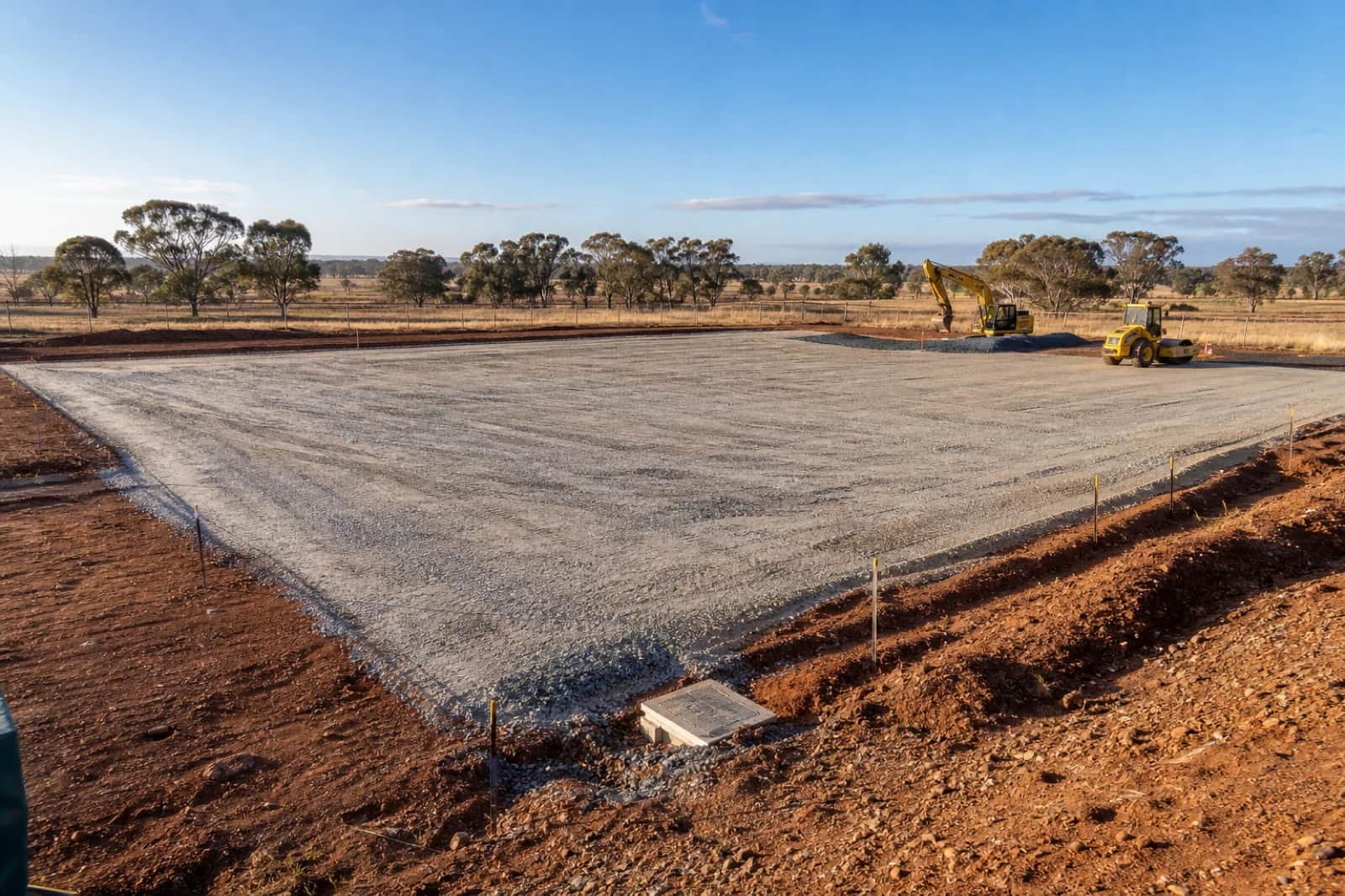
What BESS hardstand construction NSW must finish before installation
Finish BESS hardstand construction NSW before installation means more than a graded yard: proven pavement layers, foundation or footing positions within tolerance, crane and delivery set-downs that stay off finished edges, and drainage that keeps water away from cable entries and container footprints.
Battery storage civil works fail when teams treat the pad as a late edge of solar farm civil works NSW. Concentrated container loads, fire-access geometry, and foundation holds differ from tracker-row earthworks—even on the same landholding.
NEXTGEN stages these pads through its renewable energy civil division so hardstand, foundations, renewable access roads, and grid connection civil works share one survey-controlled sequence before electrical plant commits.
Hardstand pavement that carries containers after wet weather
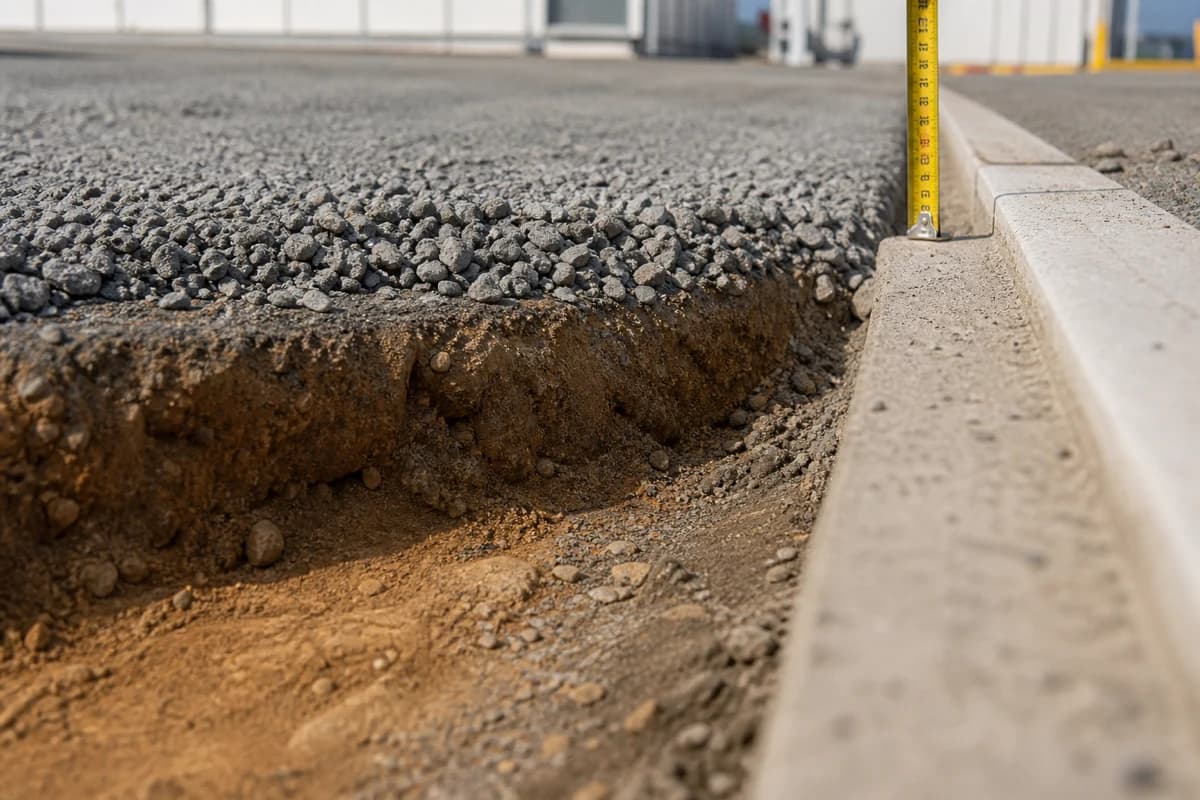
BESS hardstand construction NSW starts with a pavement design matched to container, inverter, and crane loads—not a gravel top-up on soft formation. Confirm subgrade improvement, base thickness, surface tolerance, and how construction traffic is kept off finished surfaces until strength is proven.
Edge details matter as much as the centre of the pad. Soft shoulders, incomplete bund ties, and unprotected temporary crossings become permanent soft spots once installation traffic concentrates at the same gates every day.
Broader yard staging—drainage and access around the pad—is covered in battery storage site preparation NSW; this guide focuses on the hardstand and foundation proof that must clear before containers land.
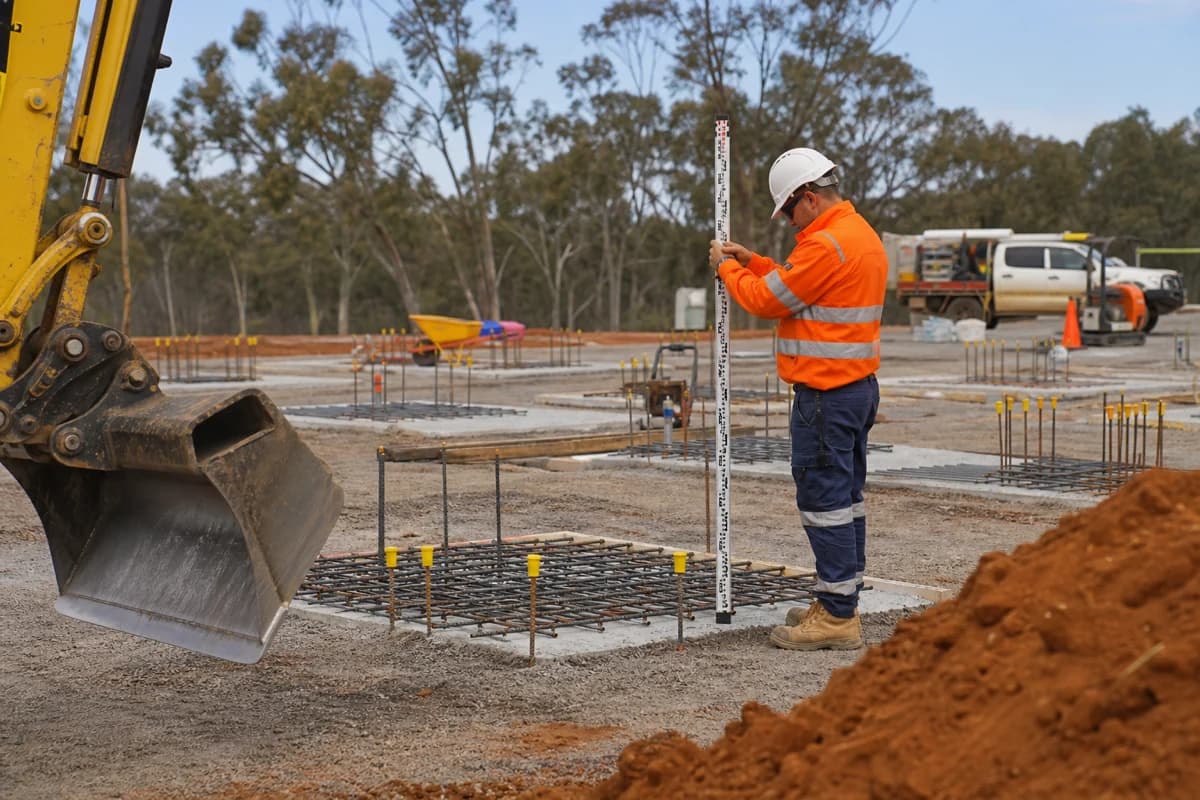
Foundations and footings that lock the electrical layout
Foundations for battery storage civil works—pad footings, piers, or other specified supports—must sit on formation that already meets bearing and moisture criteria. Pouring or placing foundations on soft spots forces rework when containers and inverters cannot sit within design tolerances.
Lock civil extents early where fire walls, separation distances, or bund walls constrain the footprint. Layout changes after hardstand edges close are expensive; ambiguous “approx pad” notes on a GA drawing are not a foundation method.
Where structural civil language helps owners brief footings and retaining at the yard edge, see structural civil works NSW: foundations, retaining and hardstands—then localise those holds to BESS loads and OEM tolerances.
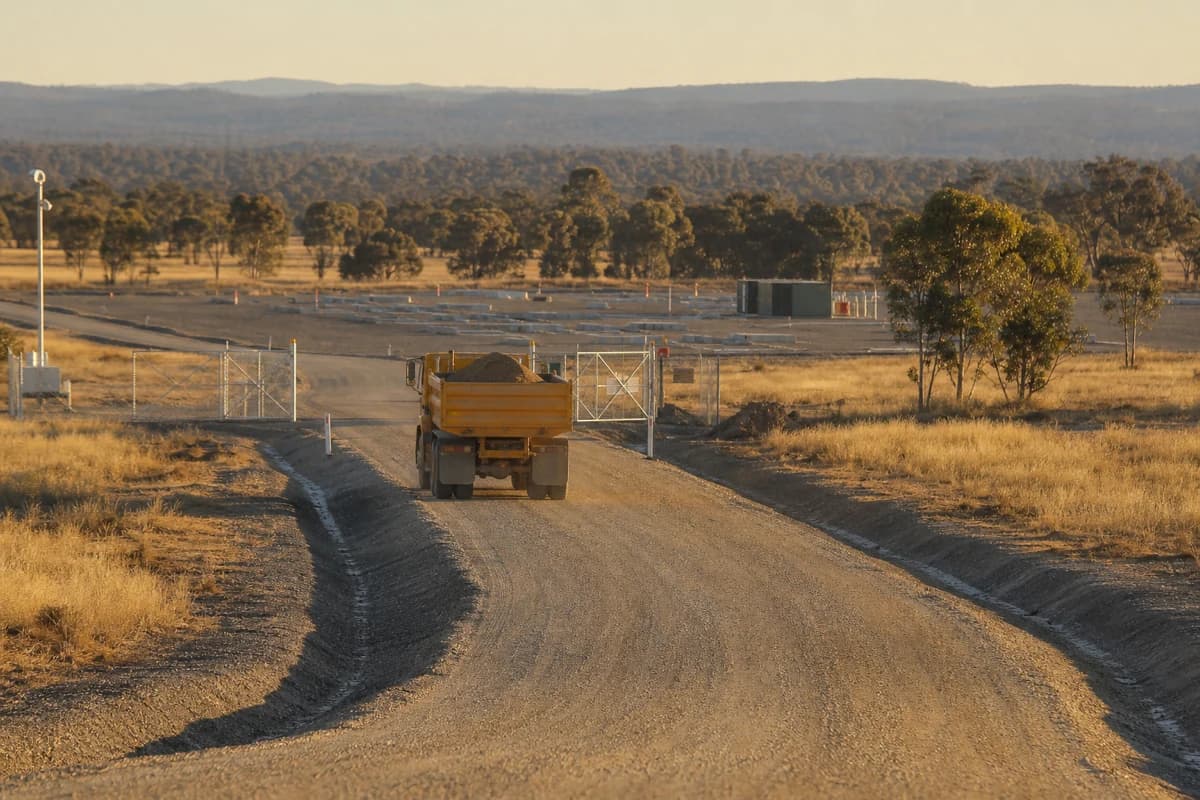
Crane set-downs and renewable access roads into the yard
Renewable access roads into a BESS compound must deliver cranes and container trailers without destroying the hardstand they are meant to protect. Width, turning, marshalling off the public road, and dedicated set-down pads should be named against the heaviest temporary plant—not only light O&M utes.
Separate temporary haul tracks from permanent renewable access roads when loads differ. Ruining the finished hardstand perimeter with construction traffic is one of the fastest ways to delay installation on NSW BESS programmes.
Corridor geometry and temporary-versus-permanent sequencing are covered in renewable energy access roads and NEXTGEN's roads capability when sealed or heavy-duty access sits in the same brief.
How solar farm civil works and grid connection civil works meet the pad
Solar farm civil works NSW often share fencing, drains, and access with a co-located BESS yard. Name where array earthworks stop and BESS hardstand construction NSW begins so spoil, moisture control, and survey datums do not conflict at the shared fence.
Grid connection civil works at the yard edge—conduit entries, transformer pads, and heavy-vehicle gates—must be sequenced with the hardstand, not left as orphan trenches after containers are scheduled. Incomplete cable corridors force installation crews to dig through finished pavement.
Compare array enabling language in solar farm civil works NSW, compound interface control in substation civil works NSW, and node staging in grid connection civil works so pad, array, and connection interfaces stay on one critical path.
Pre-installation civil checklist for EPCs and owners
Clear these holds before container delivery windows lock:
- Hardstand pavement and edge details match design loads and surface tolerance after wet weather.
- Foundation or footing positions are within OEM and structural tolerances on proven formation.
- Crane and delivery set-downs sit off finished hardstand edges; renewable access roads can carry design vehicles.
- Drainage and cable entries keep water and digs away from container footprints.
- Grid connection civil works conduits and gates are open enough that installation does not cut finished pavement.
Proof before plant arrives—and how to brief NEXTGEN
Ask for redacted ITP samples, compaction and level records, and a method that names who owns soft spots at pad edges. Brochure pavement descriptions without site evidence are incomplete for battery storage civil works.
Review comparable renewable delivery shapes in NEXTGEN's project showcase and delivery expectations in the project FAQ before you issue a civil package.
When drawings, OEM loads, and programme windows are ready, contact NEXTGEN to review BESS hardstand construction NSW scope against realistic foundation, access, and grid interface holds.