

What industrial yard drainage NSW must solve before pavement closes
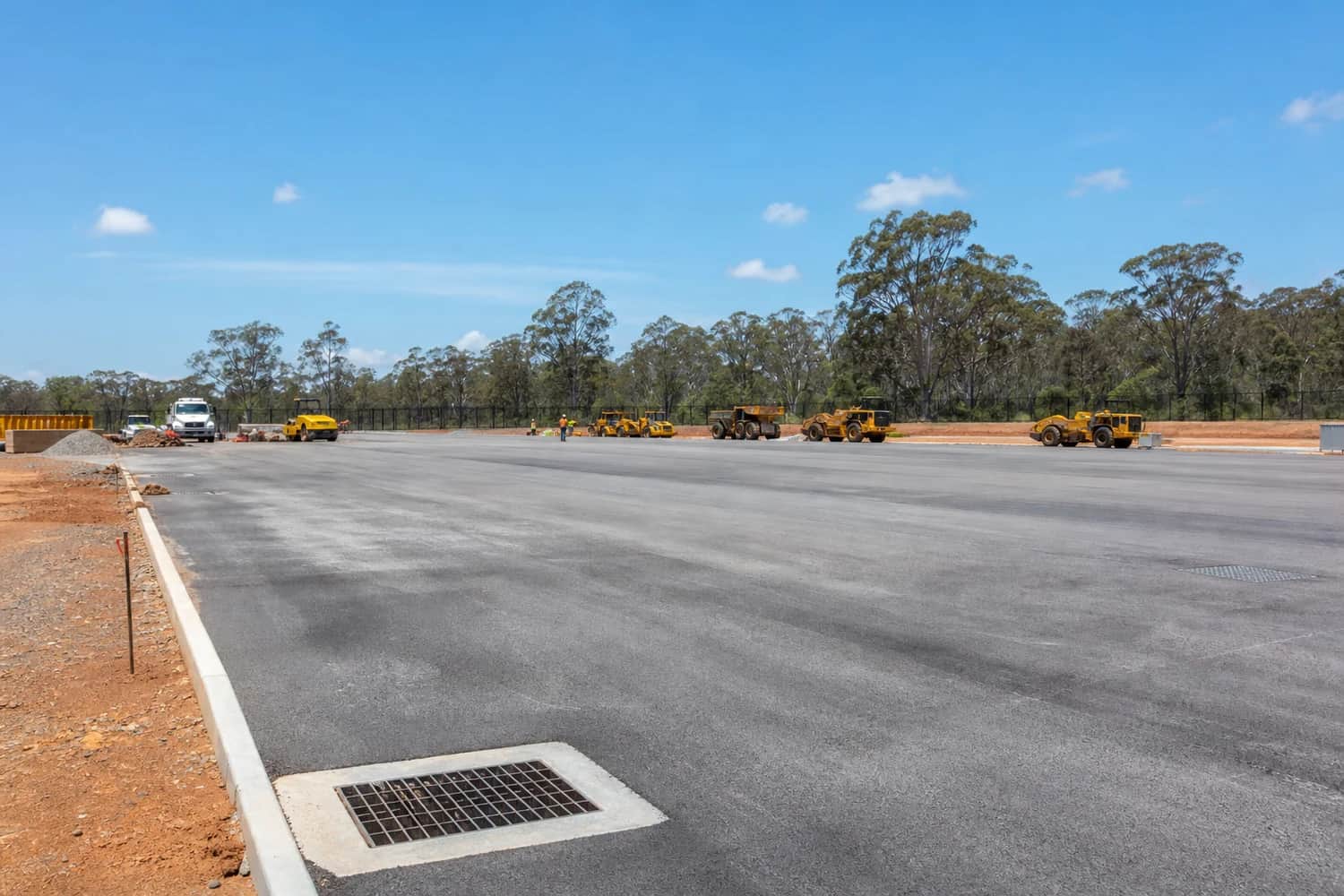
Industrial yard drainage NSW succeeds when hardstand falls, pit inverts, and overland flow paths are settled before the pavement seal closes the yard—not after the first storm ponds against dock doors. Treat the yard as one water and traffic system: surface water must leave hardstands fast enough that heavy vehicles do not pump soft edges, and temporary diversions must work while trenches are still open.
Pits and pipes alone do not prove control. Owners need a civil drainage contractor who can show where water goes during construction, where it goes after handover, and how utility trenching NSW and culvert installation NSW sit inside the same level story as the hardstand.
NEXTGEN coordinates yard drainage through its civil infrastructure division so stormwater, trenches, and hardstand interfaces share one supervisor set—not three packages arguing after the seal is down.
Scope: hardstands, pits, and overland flow as one package
Define industrial yard drainage NSW as more than a pit schedule. Scope should cover finished hardstand levels and crossfall, grated inlets and kerb entries sized for design storms, underground stormwater drainage NSW pipe runs, temporary diversions during earthworks, and the overland flow path that still works if a pit blocks.
Include interfaces at dock aprons, turning bays, fuel or wash-down areas, and yard entries where culvert installation NSW or table drains meet public roads. Soft shoulders planned "to be trimmed later" become permanent ponds under B-double wheel paths.
Name what sits under the hardstand before it is sealed: utility trenching NSW for power, water, communications, and any fire or process services. Reopening a finished yard to fix a late trench destroys both pavement and drainage performance.
Why project owners should care before practical completion
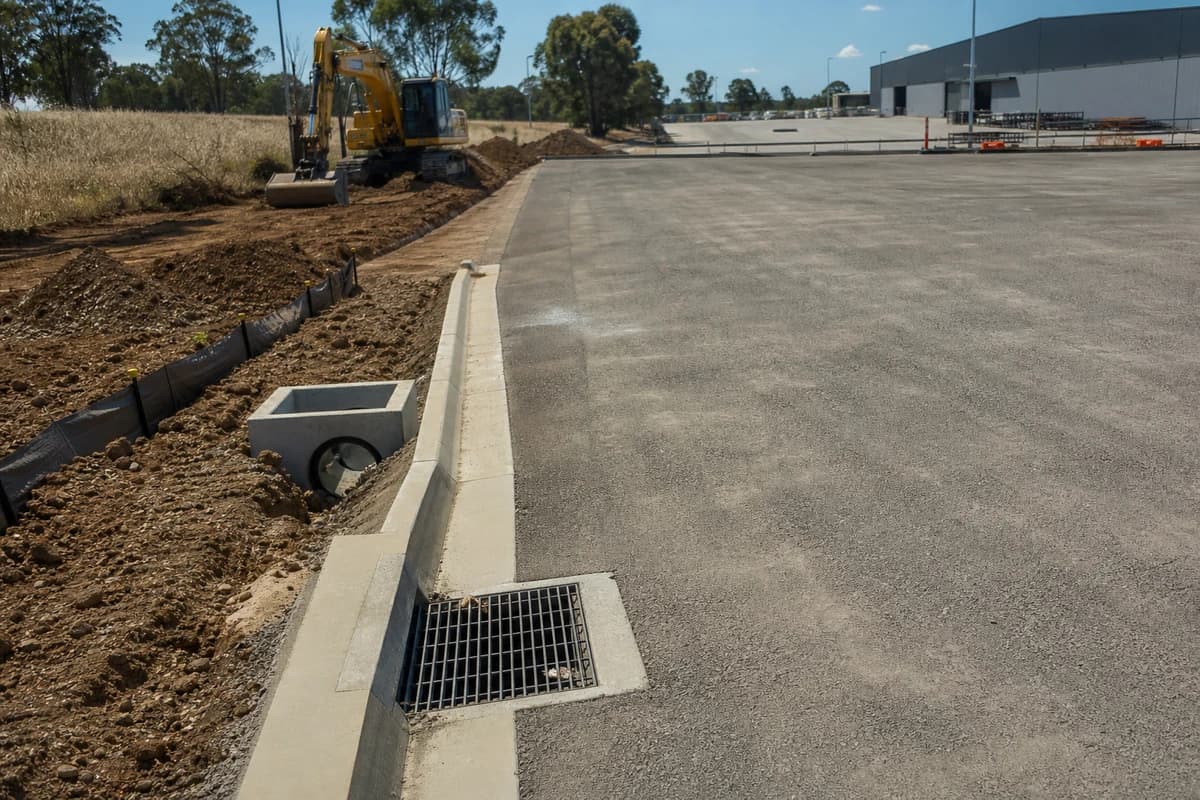
Yard drainage failures show up after tenants move in—when dig-outs under live traffic cost more than getting levels right the first time. Ponding at dock thresholds, soft shoulders at turning circles, and blocked overland paths create safety and downtime issues owners inherit at handover.
Tender comparisons also distort when one return prices stormwater drainage NSW only and another prices hardstand pavement only. Without a shared industrial yard drainage NSW brief, the lowest lump sum often hides the cost of resetting pits after seal or cutting asphalt for late utility trenching NSW.
Delivery expectations for multi-trade packages are summarised in the project FAQ. Where procurement is still open, how to evaluate civil tender returns helps owners test whether drainage and hardstand assumptions are priced together.
Common risks on industrial yard drainage packages
These failure modes repeat across NSW industrial estates when water and pavement are treated as separate trades:
- Hardstand sealed with flat or reverse falls—water sits against dock doors and infiltrates edges.
- Pit lids and kerb inlets set high relative to finished pavement—stormwater drainage NSW assets look complete but do not capture flow.
- Overland flow paths blocked by fences, stockpiles, or unfinished shoulders with no secondary escape route.
- Utility trenching NSW reopened through new seal because services were not closed before pavement.
- Culvert installation NSW at yard entries left without scour protection or shoulder transition—edges rut under heavy vehicles.
- Temporary diversions abandoned mid-programme so open trenches become drains during wet weather.
Project information owners should have before award
Ask for enough information that a civil drainage contractor can price levels, not guess them. Owners who brief with vague "drain the yard" notes inherit disputes when catchments change after earthworks.
- Design surface levels for hardstands, docks, and turning bays—plus the survey datum everyone will use on site.
- Catchment plan showing which pits take which areas and where outlets discharge.
- Overland flow path marked for blocked-pit or extreme rainfall cases.
- Utility trenching NSW corridor drawings with cover, separations, and pavement reinstatement criteria.
- Culvert installation NSW or road-entry drainage details where the yard meets public or estate roads.
- Temporary diversion and sediment-control ownership while trenches and formation are open.
Practical decision criteria for sequencing the yard
Use these criteria while the method is still editable. They keep industrial yard drainage NSW accountable to water and traffic—not to the order plant happens to arrive.
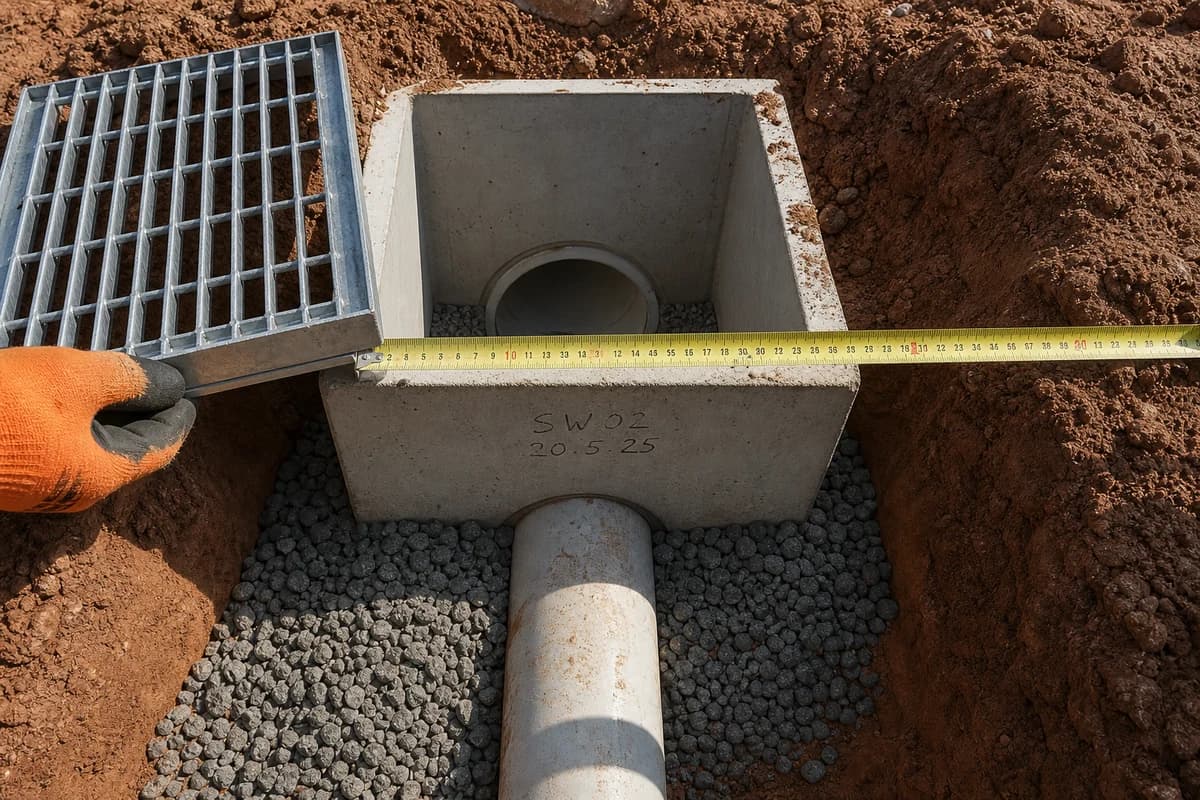
Decide hardstand falls first, then pit and outlet levels from the same model. A civil drainage contractor should not hand over assets measured from a different benchmark to the pavement crew.
Close utility trenching NSW and prove compaction under future pavement before base and seal lifts. Late services are the most common reason yards are cut open after practical completion.
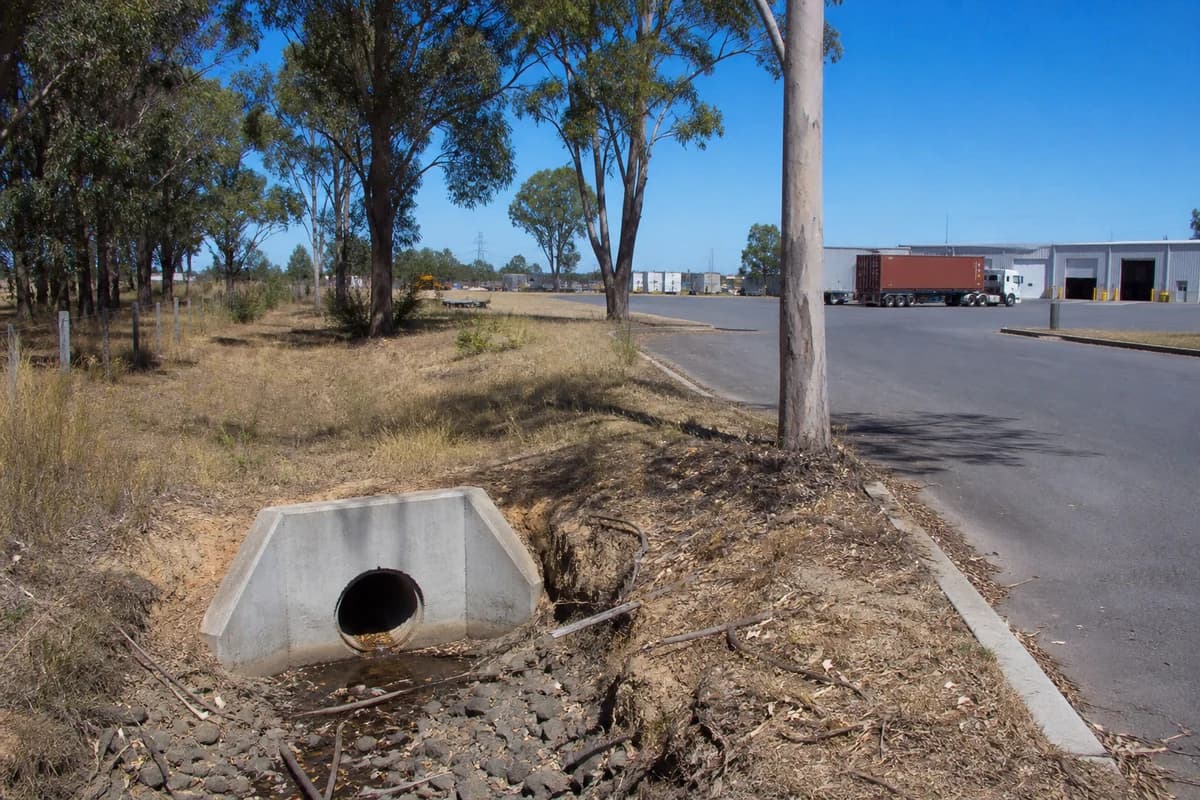
Complete culvert installation NSW and entry drains that sit under or beside the access throat before heavy vehicles start using the finished apron as a tipper turning circle.
Corridor thinking before pavements is covered in service corridors for industrial sites; apply the same sequence to the yard hardstand, not only the spine road.
Quality checks before you accept the yard
Acceptance should prove water leaves the hardstand—not that pits exist on a drawing. Walk the yard after a hose test or the first rain with the same people who will own defects.
- Surface water reaches grated inlets without ponding at docks, thresholds, or wheel paths.
- Pit lids sit flush and low enough relative to finished pavement; debris screens are fitted where specified.
- Overland flow path is clear, graded, and not blocked by fencing or unfinished stockpiles.
- Stormwater drainage NSW outlets discharge to the named receiving point without scouring soft shoulders.
- Utility trench reinstatement under pavement has compaction and level proof—not soft backfill.
- Culvert installation NSW headwalls, cover, and edge transitions are complete before live heavy traffic.
How NEXTGEN stages yard drainage with roads and evidence
Where the yard apron and estate roads share one critical path, align drainage holds with roads and pavement capability so asphalt edges and pit lids are not finished as unrelated trades. Owner confirmation habits for broader stormwater packages sit in what to confirm with a stormwater drainage contractor NSW, and trench sequencing detail in utility trenching contractor NSW.
Compare multi-interface industrial delivery in NEXTGEN's project showcase and the representative industrial site development package shape—pavements, service corridors, and drainage staged together before handover records close.
When hardstand levels, pit schedules, utility corridors, and programme windows are ready, contact NEXTGEN to review industrial yard drainage NSW against realistic falls, overland flow, and reinstatement holds.